Estimate
€ 15.000 - 25.000
Sold
€ 19.050
The price includes buyer's premium
Do you have a similar item you would like to sell?
Information
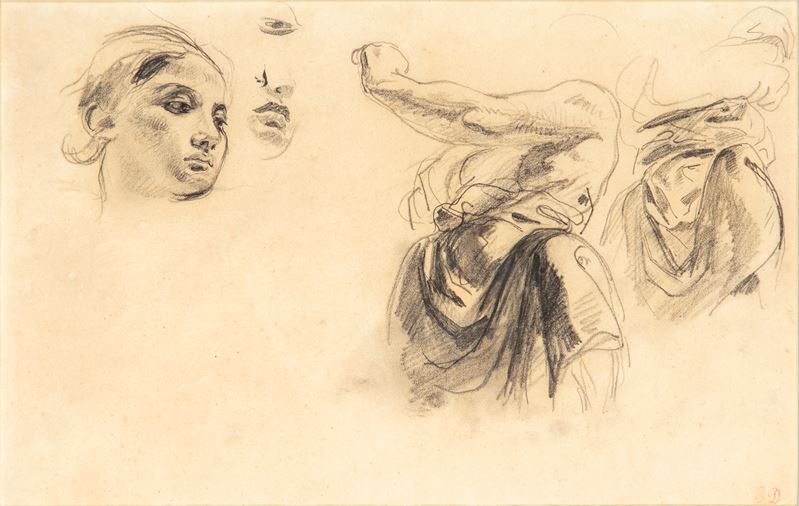
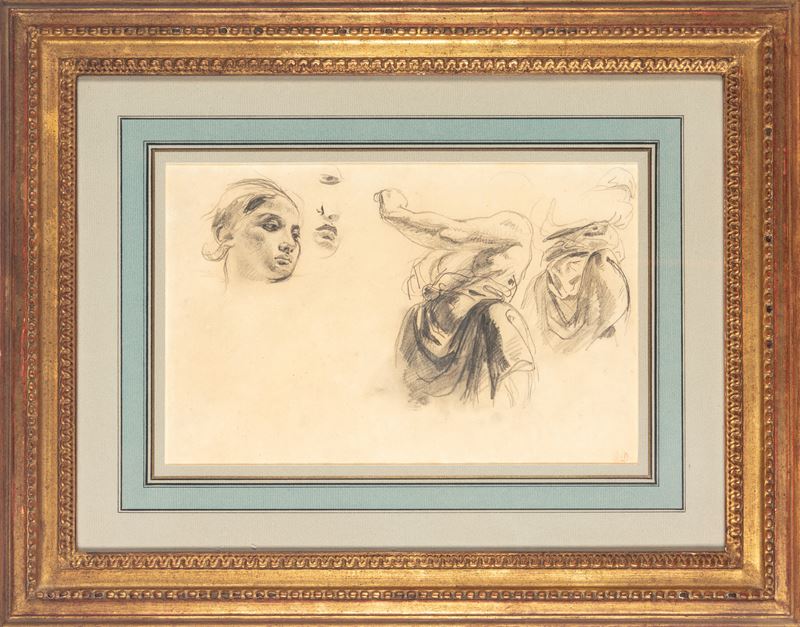
black pencil on paper
mm 214 x 329
mm 214 x 329
Provenance
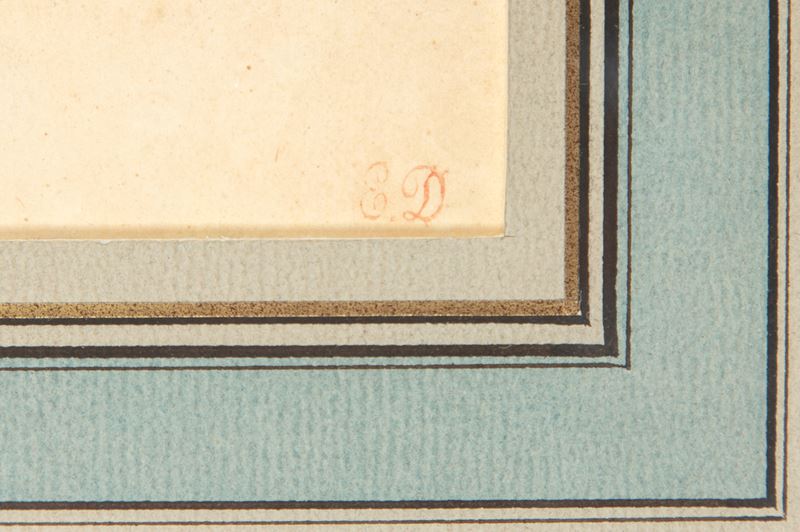
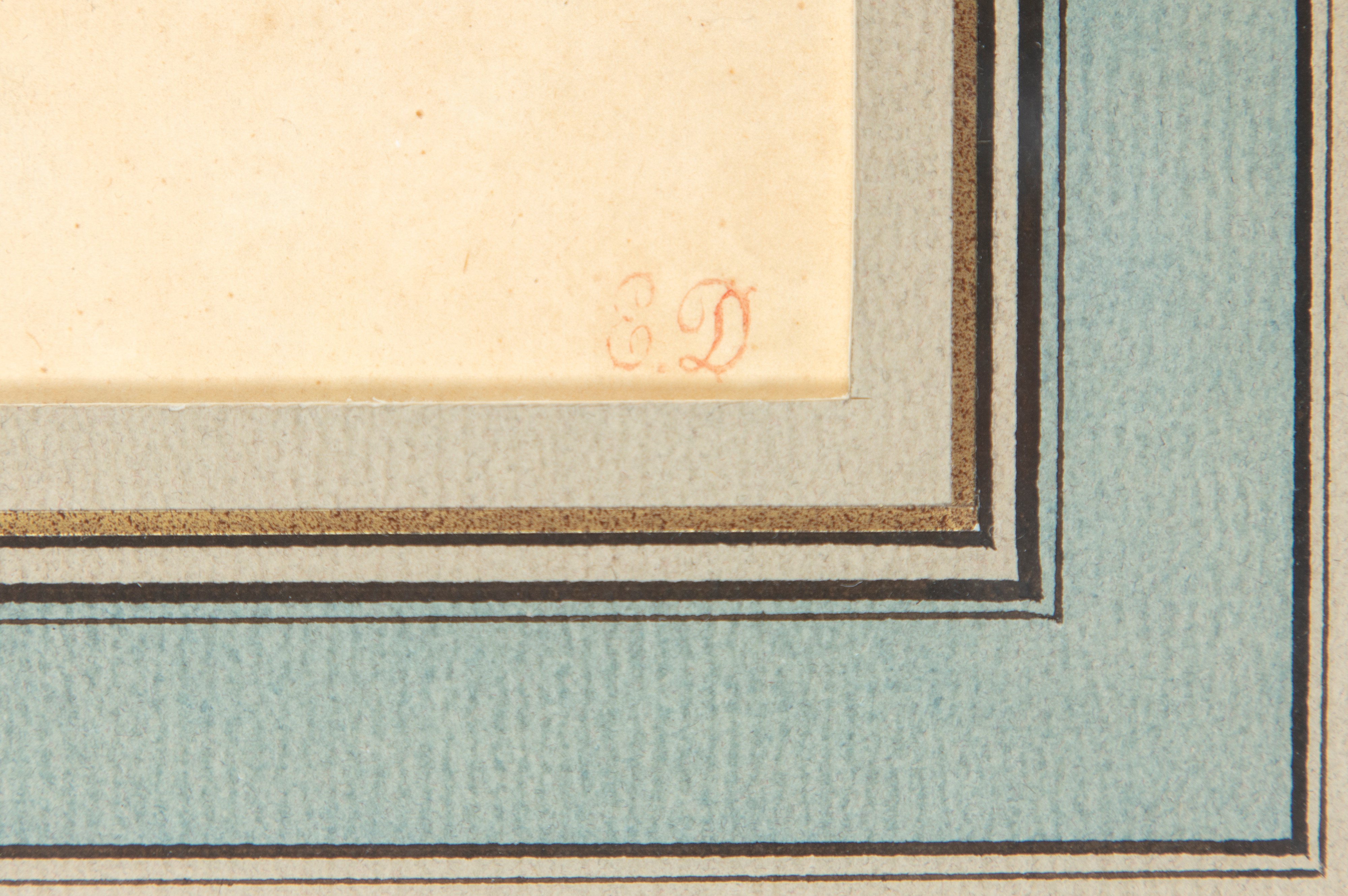
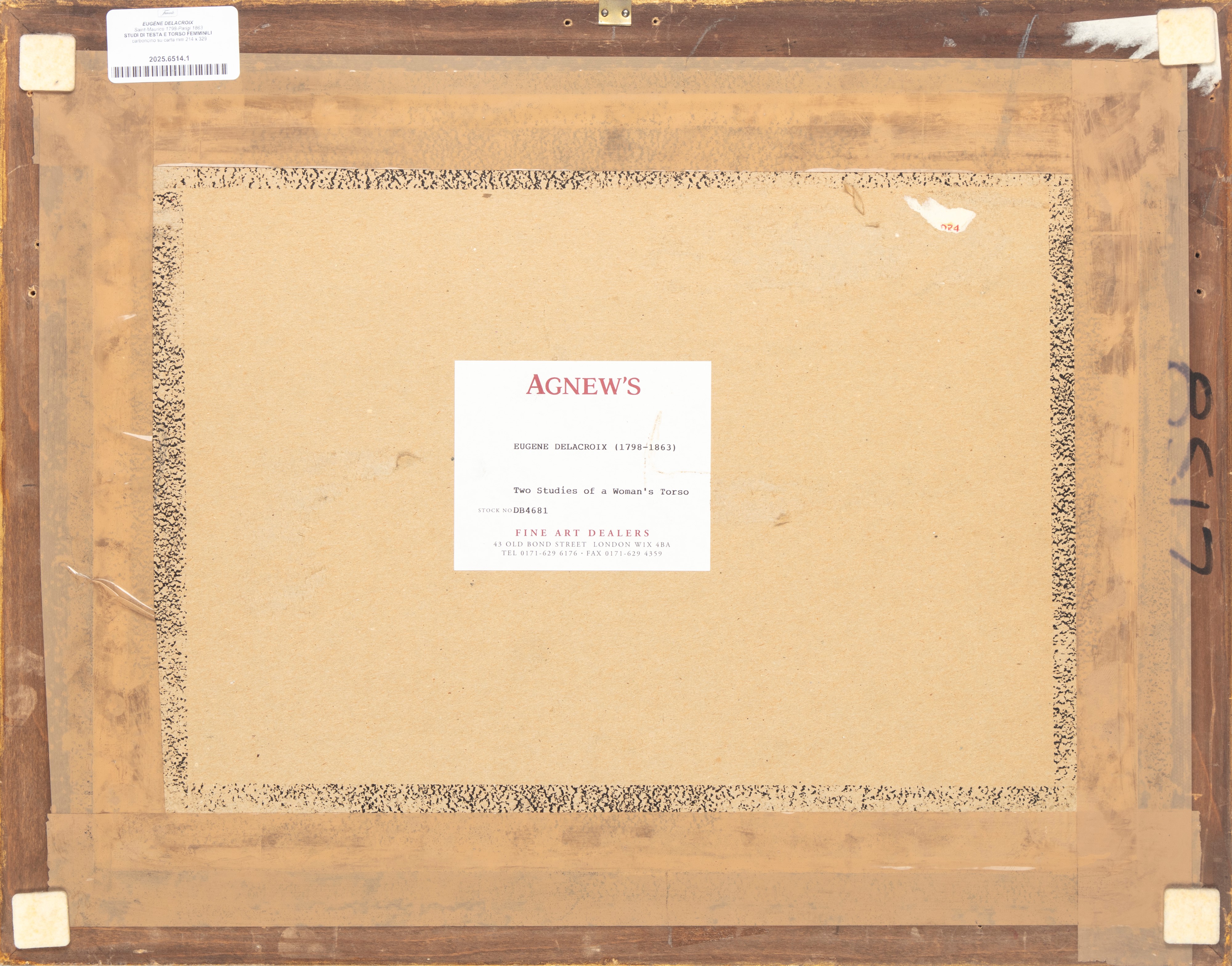
Atelier Eugene Delacroix (Lugt 838a, stamp lower right);
New York, Parke-Bernet Galleries, auction of March 23, 1961, lot 19;
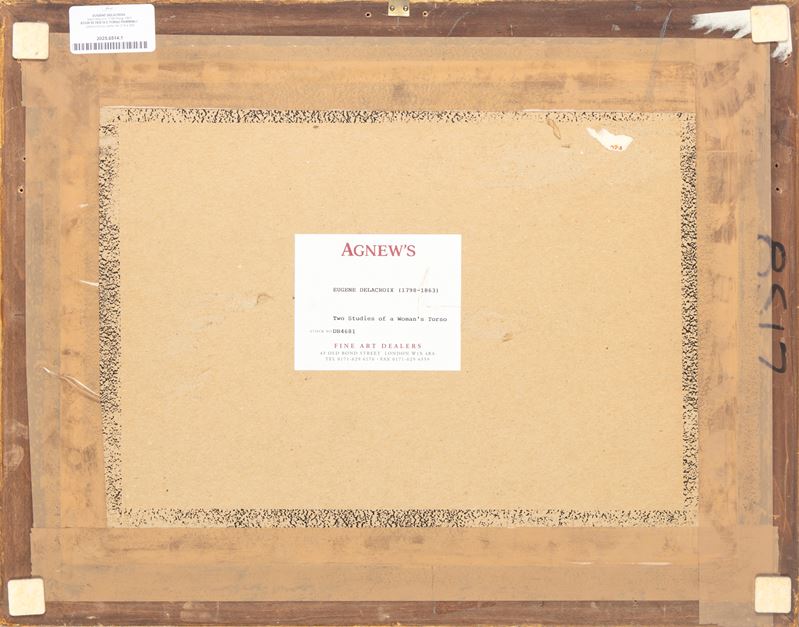
London, Agnew's Gallery, 1998;
Milan, private collection
New York, Parke-Bernet Galleries, auction of March 23, 1961, lot 19;
London, Agnew's Gallery, 1998;
Milan, private collection
Specialist Notes
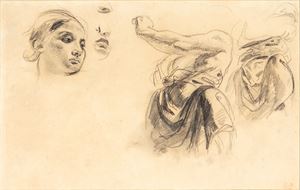
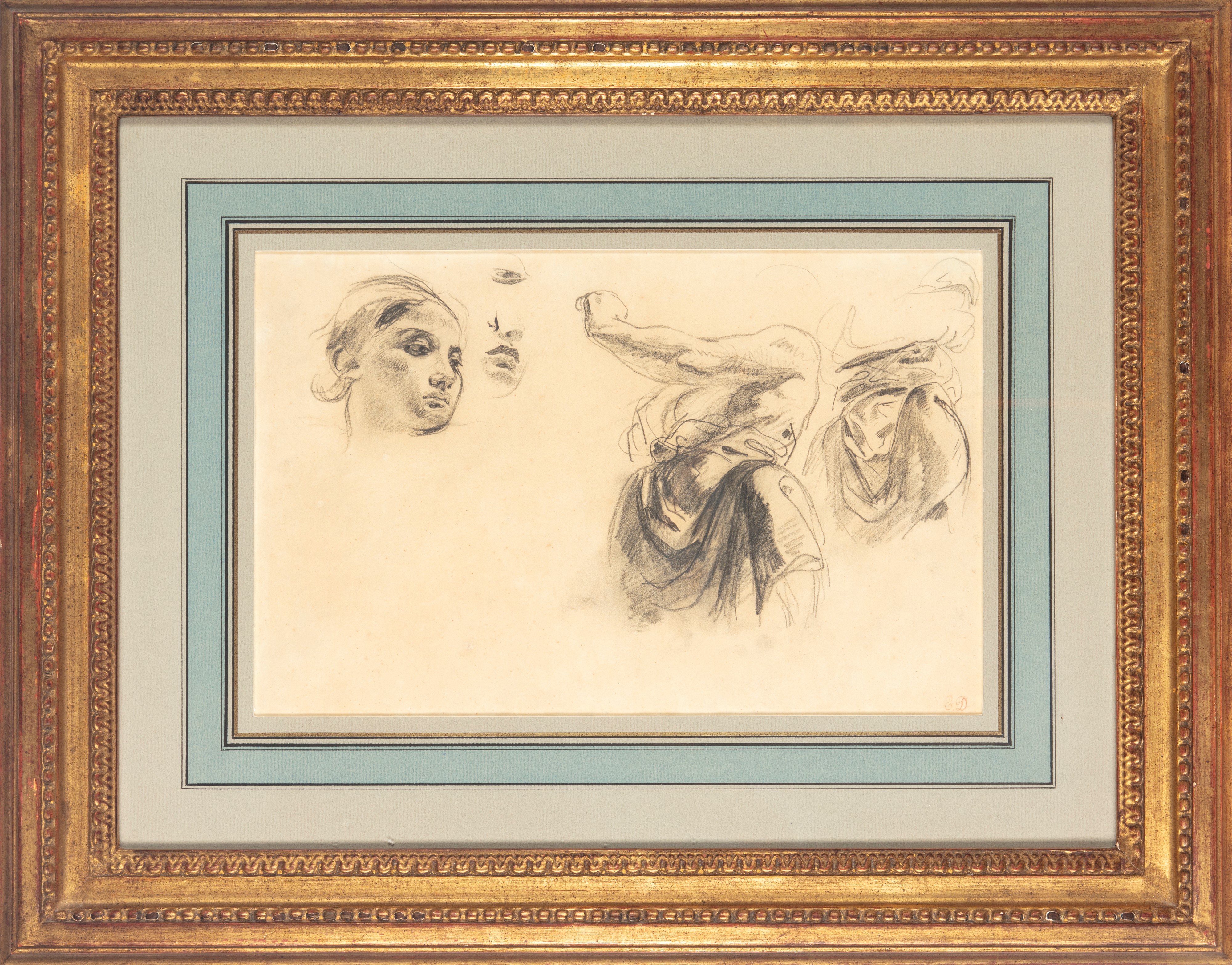
The extraordinary drawing was created by the French master in the aftermath of his trip to Algeria and shortly before his first major public commission for the decoration of the Salon du Roi, in 1833. Delacroix devised a program of frescoes based on the four founding elements of a state: War, Justice, Industry and Agriculture. The studies on the right of the sheet are directed precisely at that iconography, especially the personification of War, with the torso clearly deriving from Michelangelo.
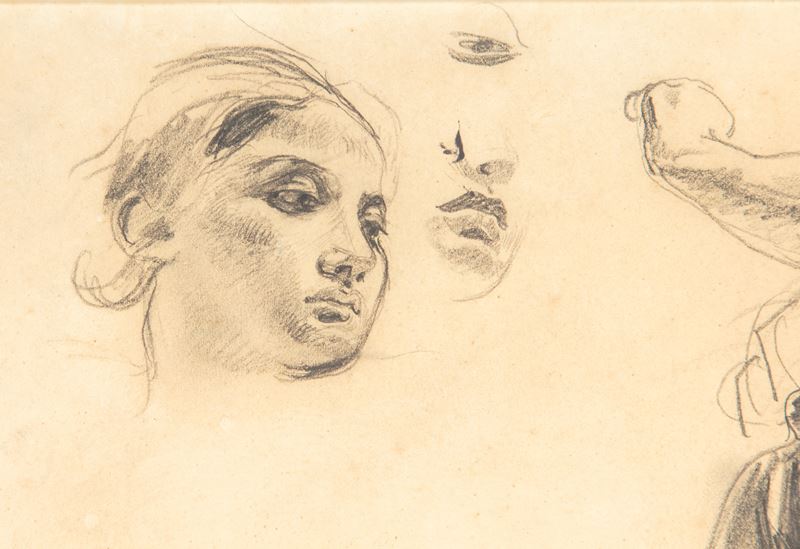
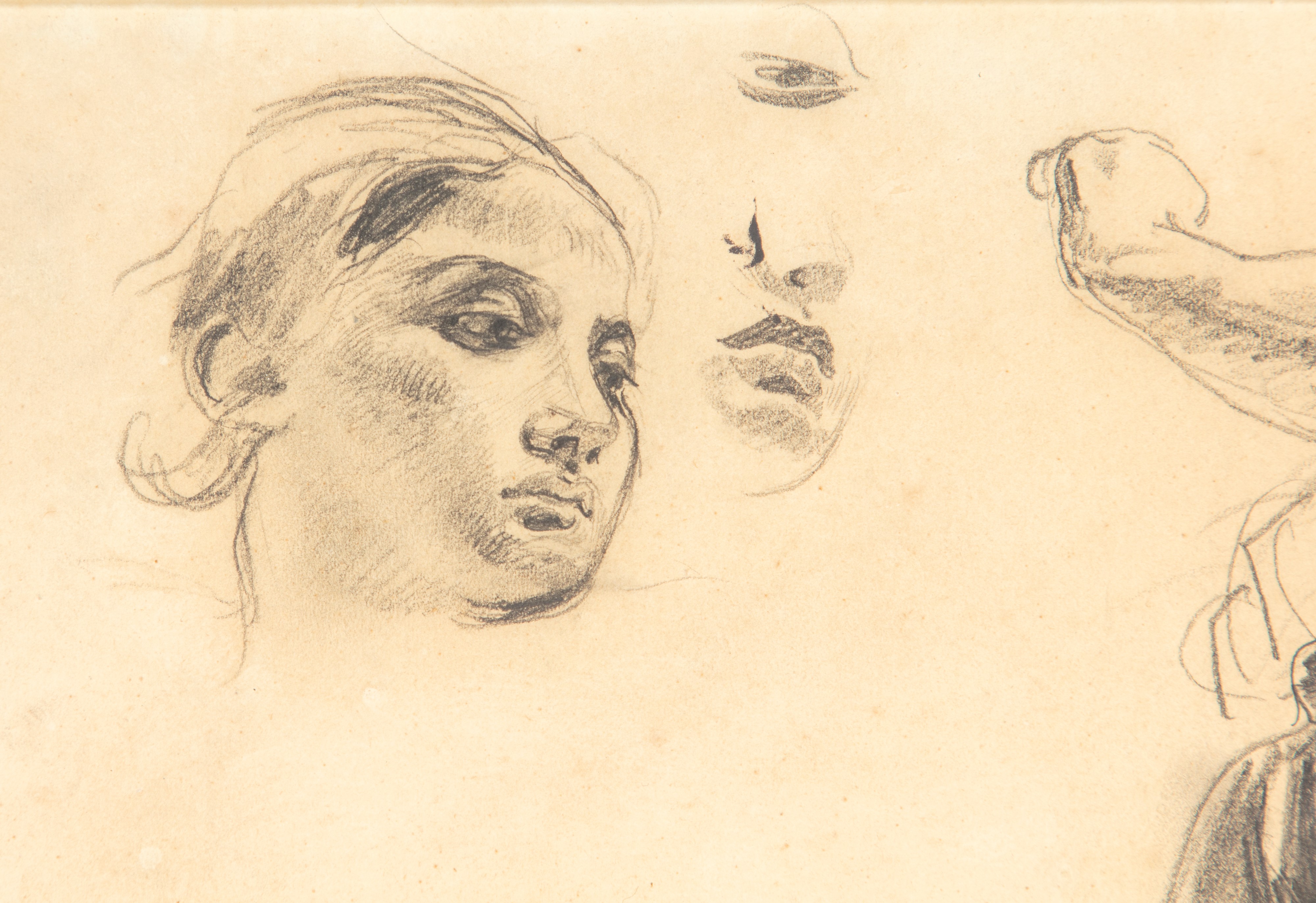
Known to Lee Johnson, the greatest scholar of the painter in the twentieth century, who was evidently interested in the fresco undertaking, this exceptional example nevertheless has a reason for absolute fascination in the figure on the left.
He depicts in profile the fully defined and concluded face of a girl with African features, which takes up his composition The Orphan Girl of the Louvre (1823-1824), this time transposed onto the sheet with a vitality unknown to painting. Knowing the romantic genius par excellence, it is almost certain that he reported in pencil the memory of a girl seen in person in Algeria and that also recalled the pose of his orphan almost at three-quarters; therefore, memories and quotations were mixed, typically in the modus of the Frenchman.
If we combine this with an impeccable state of conservation and a provenance of the highest quality, from the painter's atelier, we can affirm that we are before one of Delacroix's most significant drawings from the years immediately following his fundamental trip to Algeria.
Known to Lee Johnson, the greatest scholar of the painter in the twentieth century, who was evidently interested in the fresco undertaking, this exceptional example nevertheless has a reason for absolute fascination in the figure on the left.
He depicts in profile the fully defined and concluded face of a girl with African features, which takes up his composition The Orphan Girl of the Louvre (1823-1824), this time transposed onto the sheet with a vitality unknown to painting. Knowing the romantic genius par excellence, it is almost certain that he reported in pencil the memory of a girl seen in person in Algeria and that also recalled the pose of his orphan almost at three-quarters; therefore, memories and quotations were mixed, typically in the modus of the Frenchman.
If we combine this with an impeccable state of conservation and a provenance of the highest quality, from the painter's atelier, we can affirm that we are before one of Delacroix's most significant drawings from the years immediately following his fundamental trip to Algeria.
Suggested lots
Caricamento lotti suggeriti...