Information
GENERAL DESCRIPTION
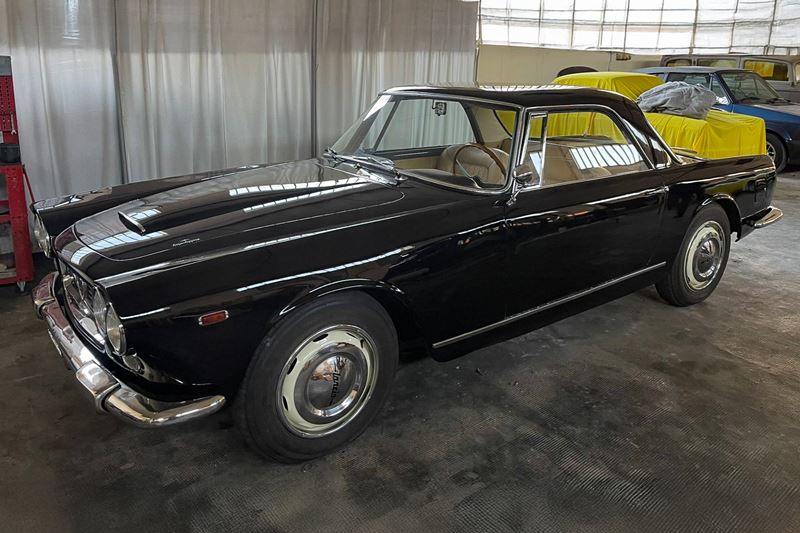
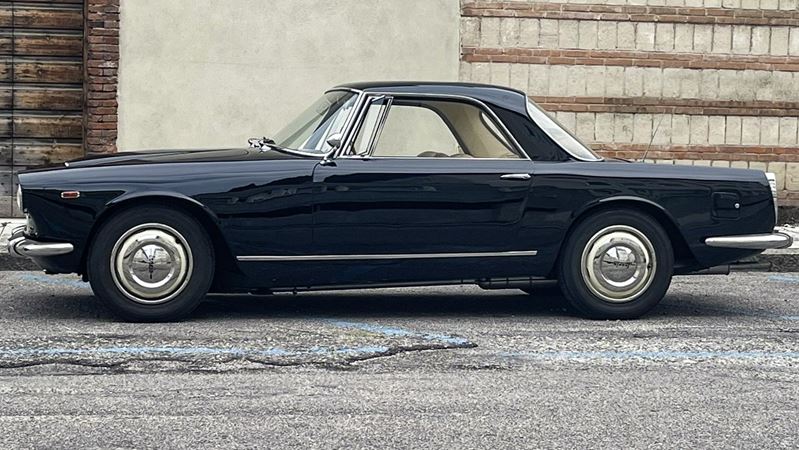
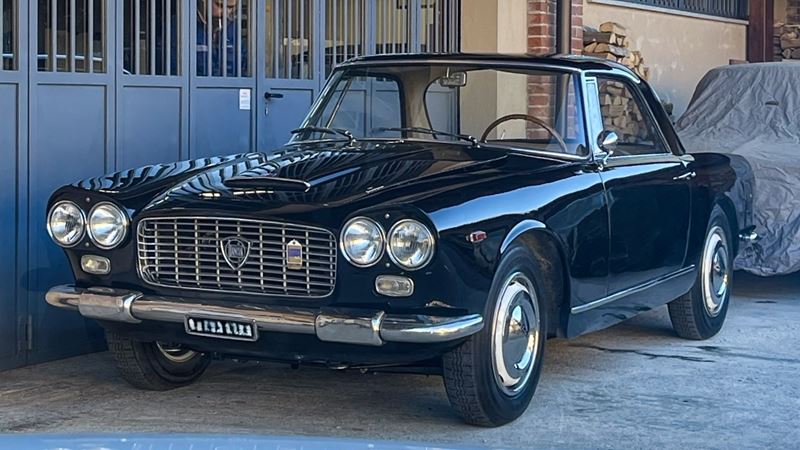
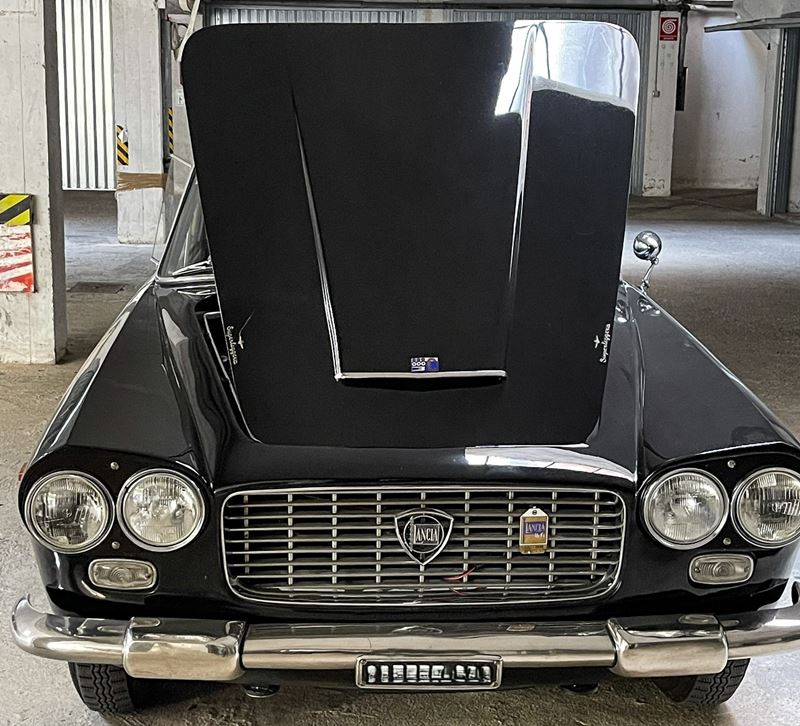
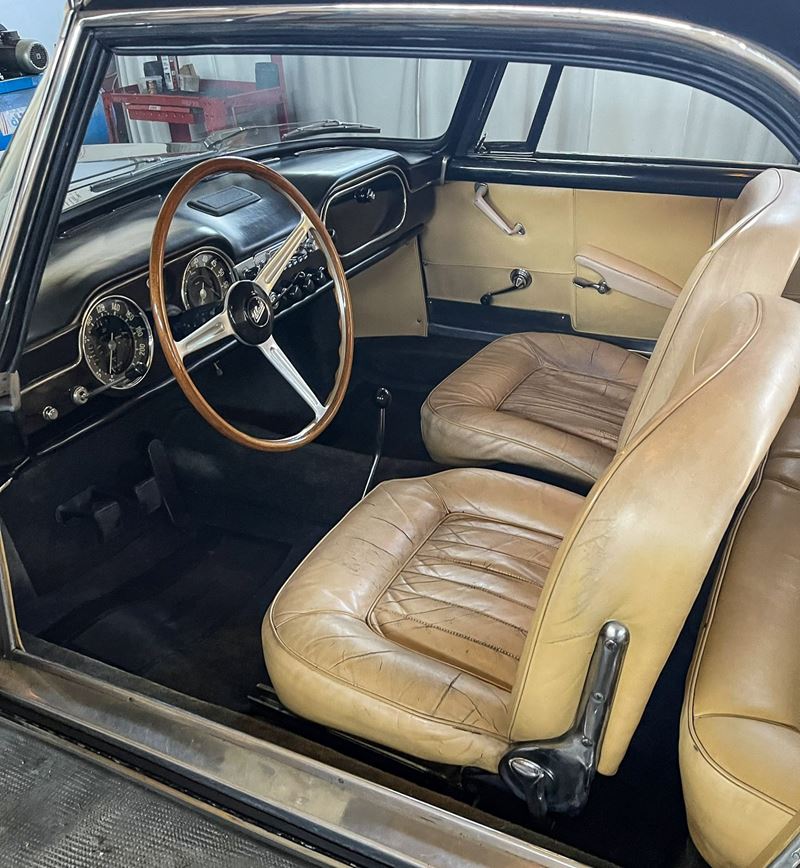
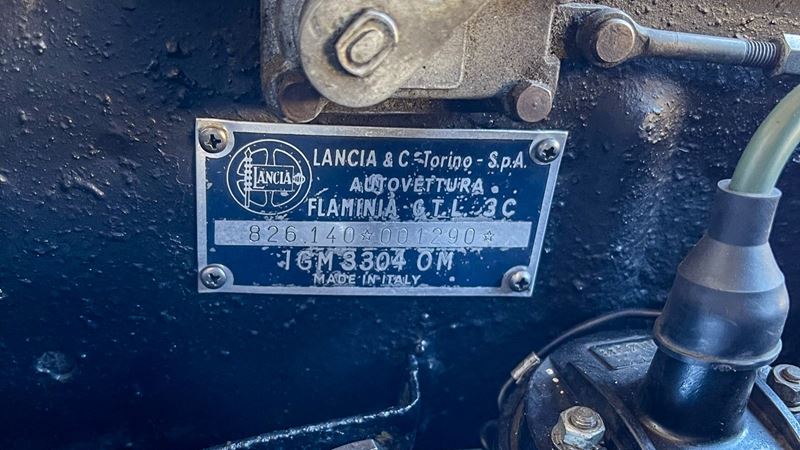
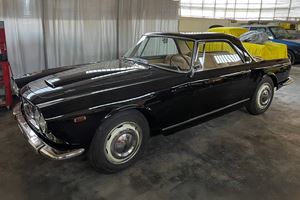
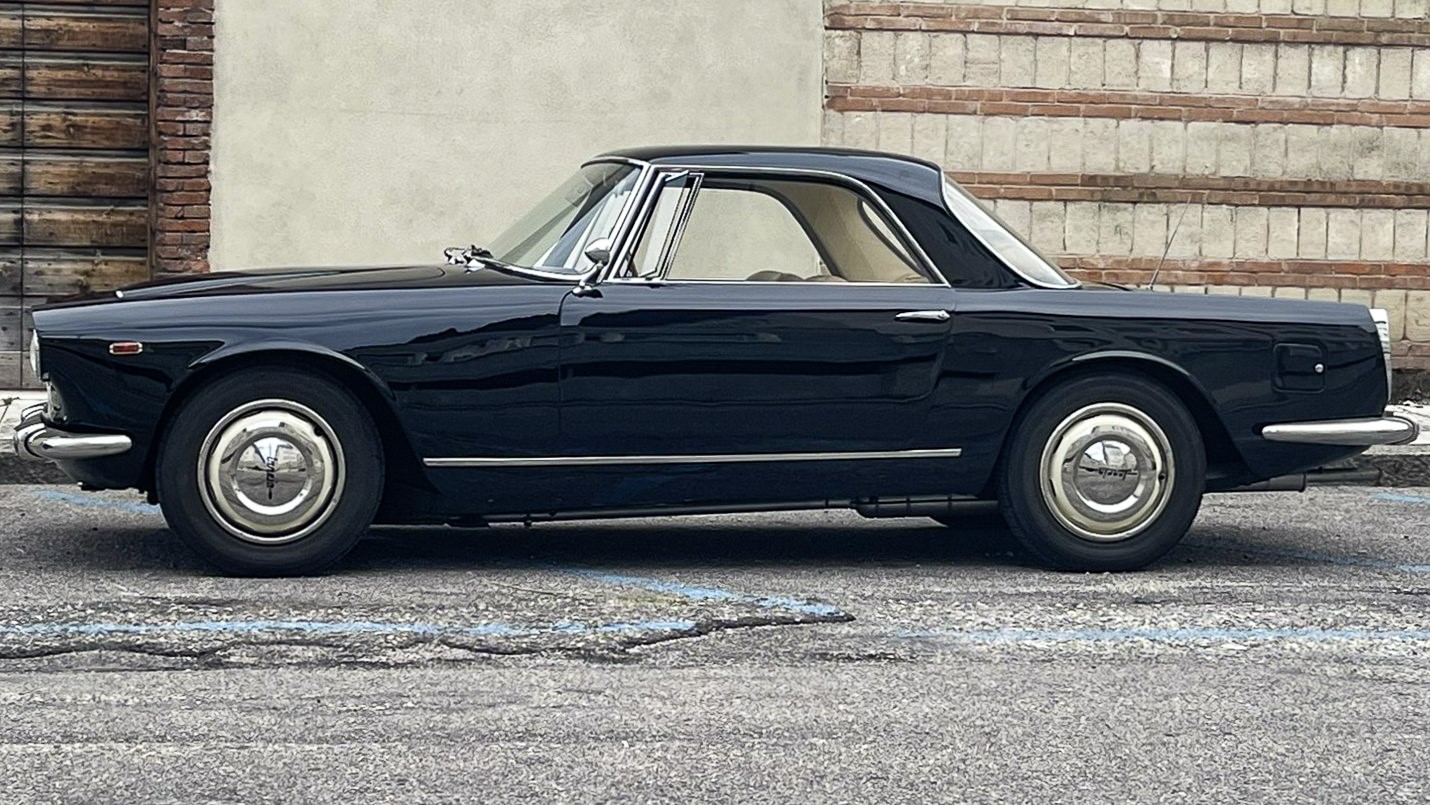
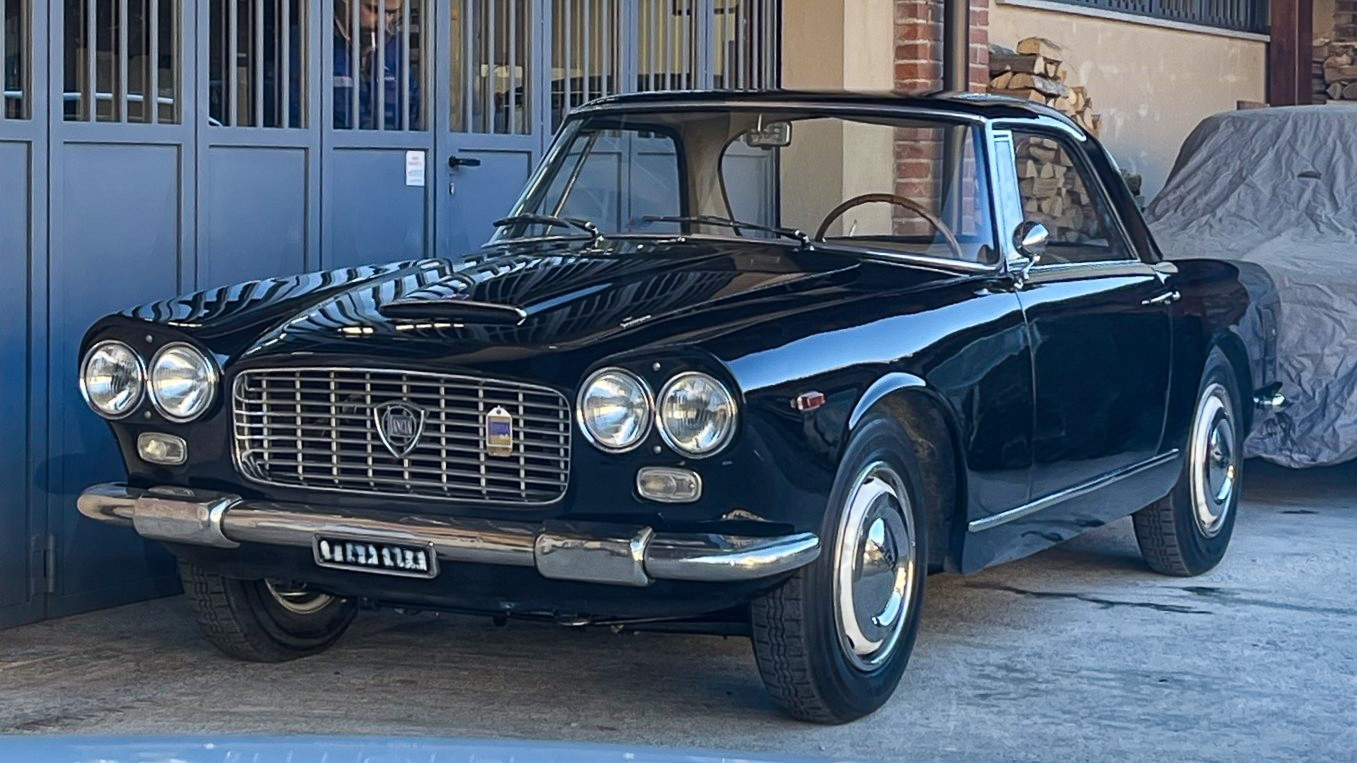
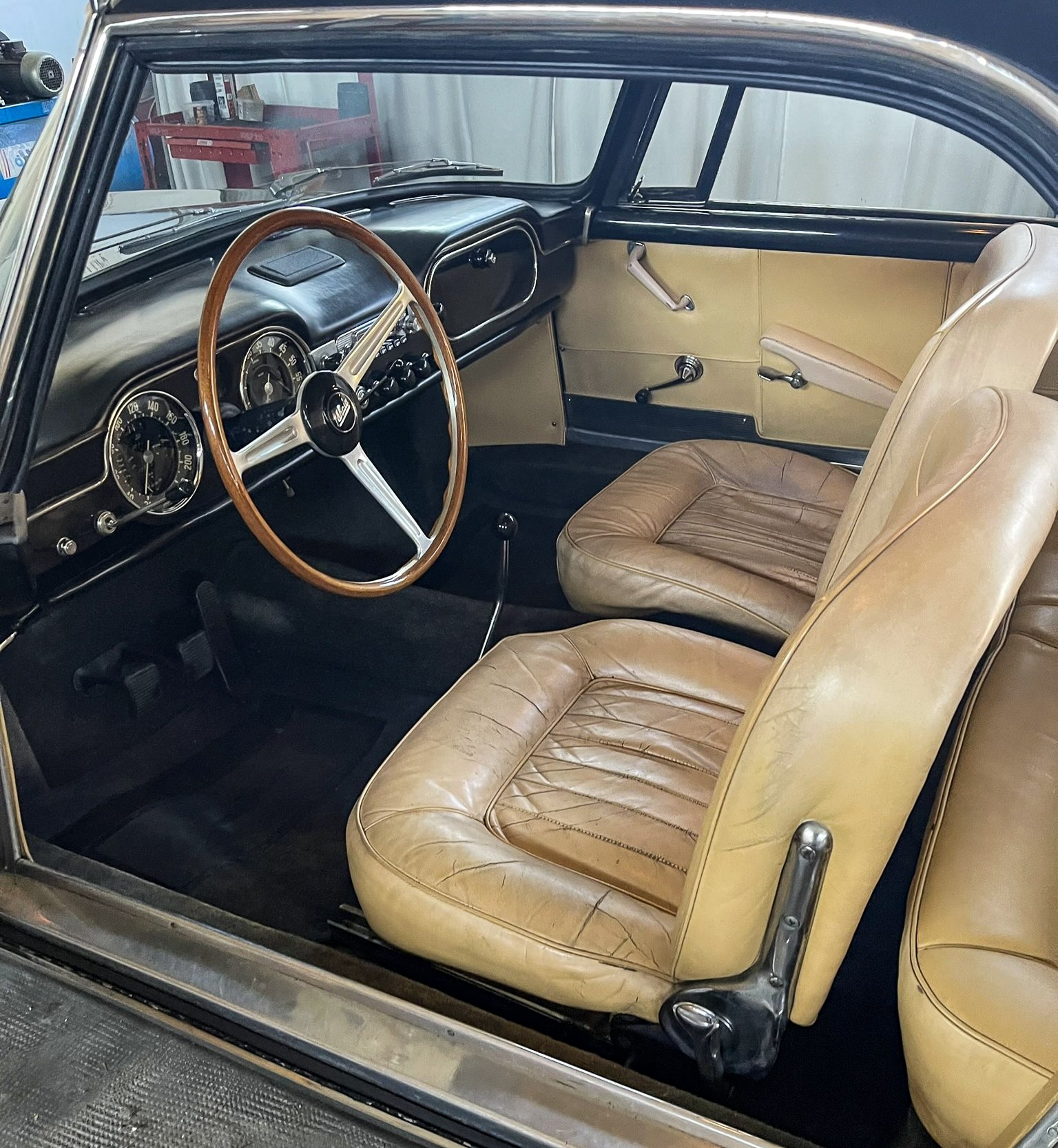
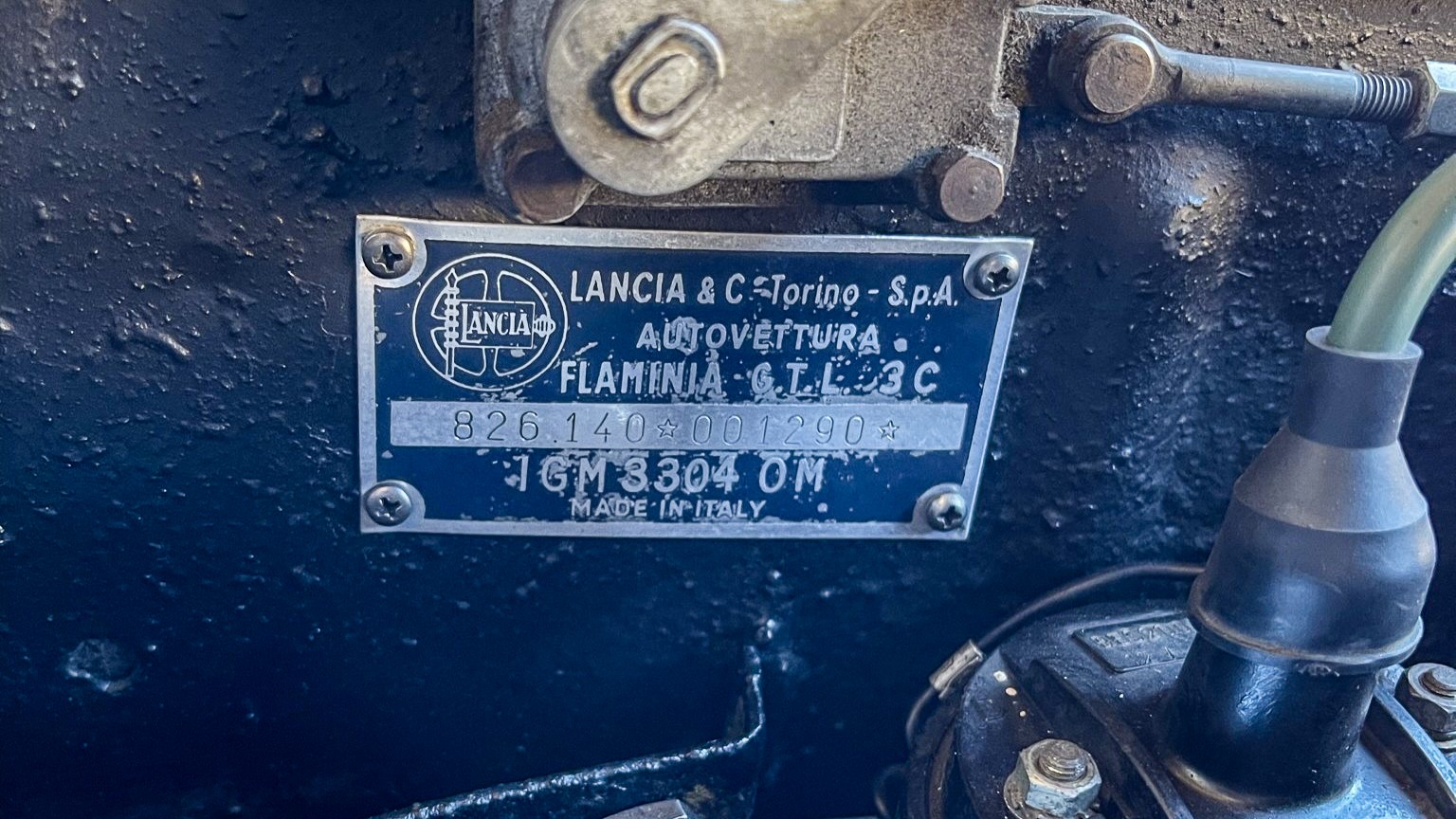
The Lancia Flaminia GTL 3C was born in 1963 from the collaboration between Lancia and Carrozzeria Touring of Milan. This variant, where the acronym "GTL" stands for "Gran Turismo Lusso," was developed to offer a 2+2 seat configuration, ensuring greater habitability than the standard GT version.
The Lancia Flaminia GTL 3C was born in 1963 from the collaboration between Lancia and Carrozzeria Touring of Milan. This variant, where the acronym "GTL" stands for "Gran Turismo Lusso," was developed to offer a 2+2 seat configuration, ensuring greater habitability than the standard GT version.
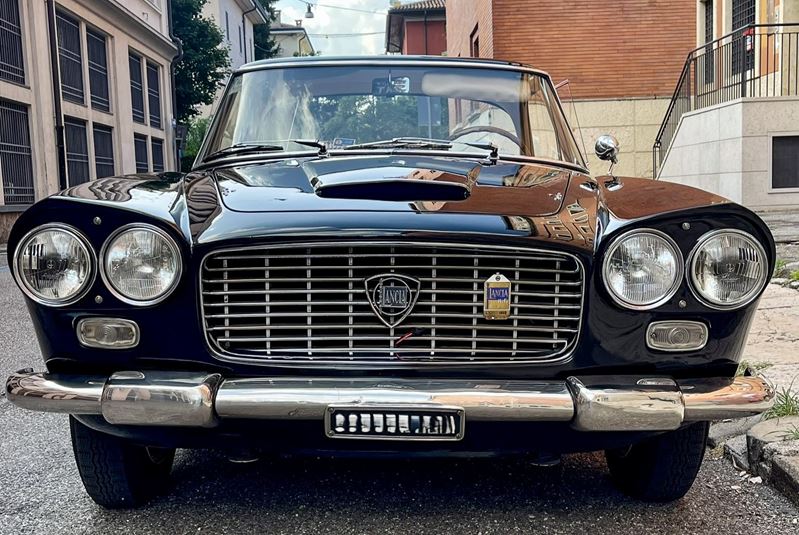
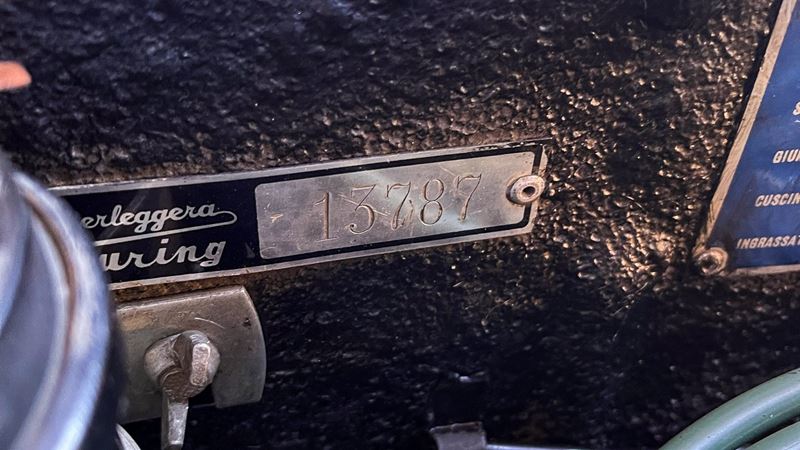
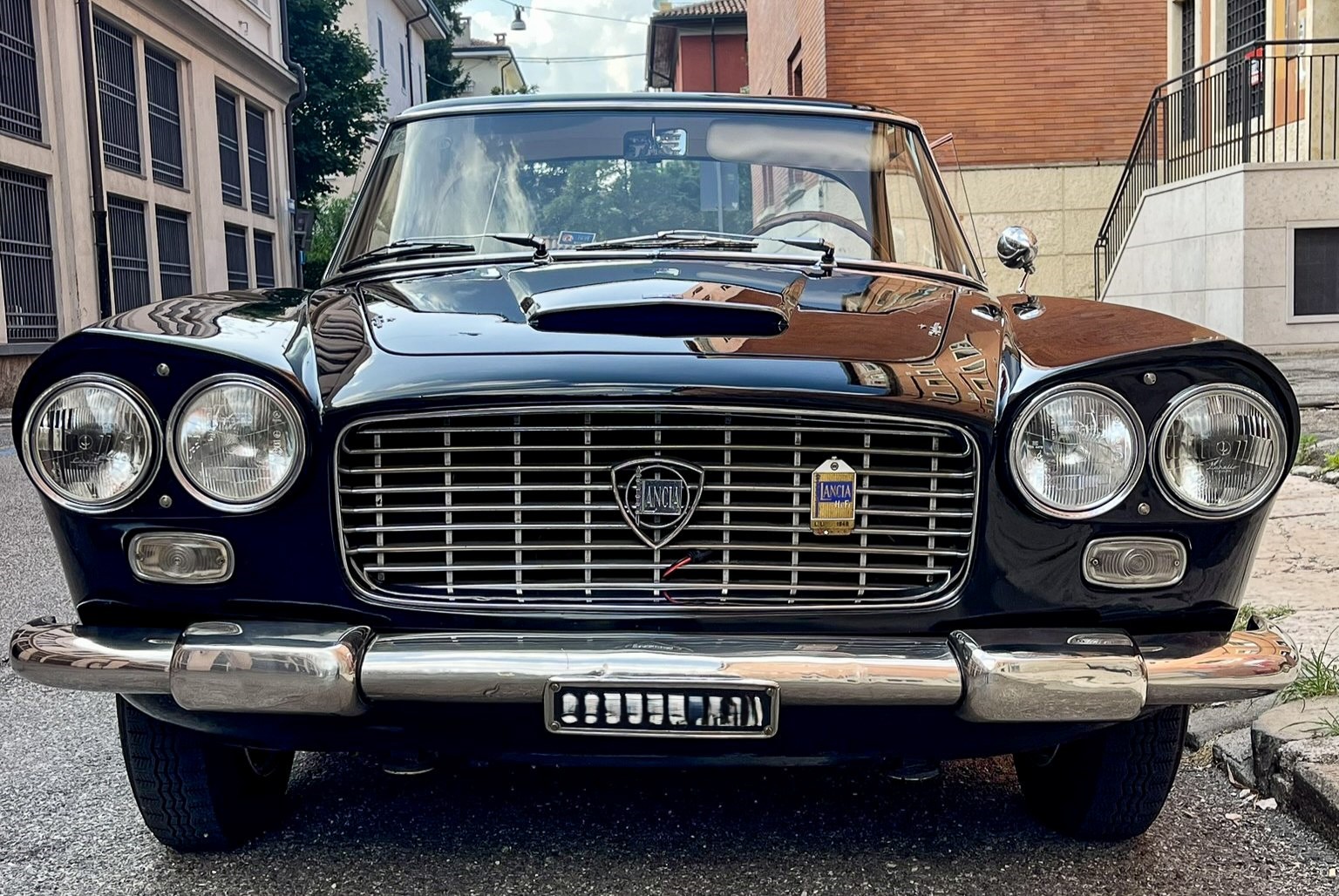
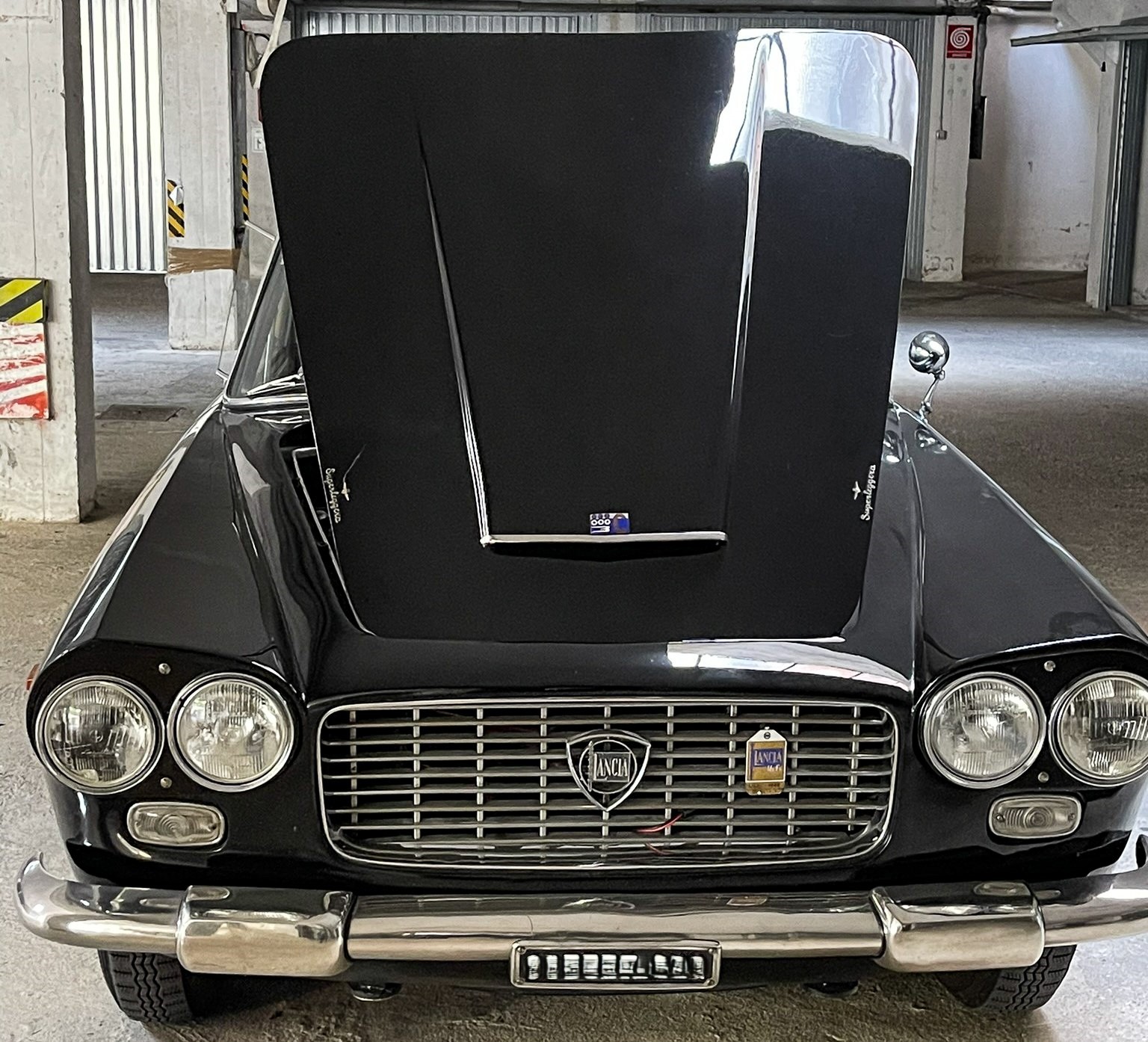
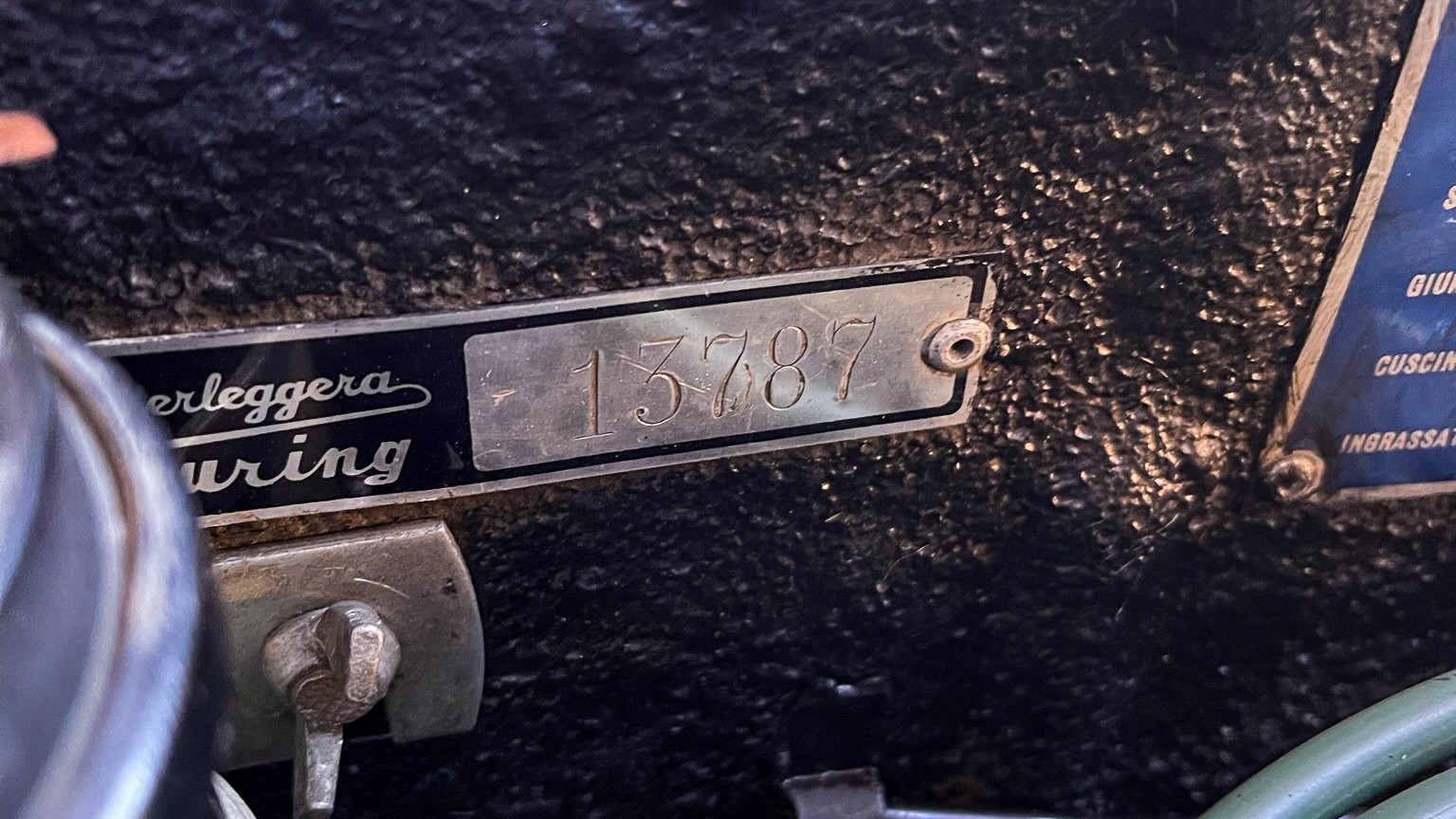
To create space for the rear seats, Touring modified the structure, lengthening the wheelbase by 80 mm and increasing the roof height by 70 mm. Despite the increase in size, the car retained its characteristic lightness thanks to the "Superleggera" construction system, which featured aluminum panels attached to a tubular steel frame. Aesthetically, the model was distinguished by its slim lines and horizontal grille with dual circular headlights.
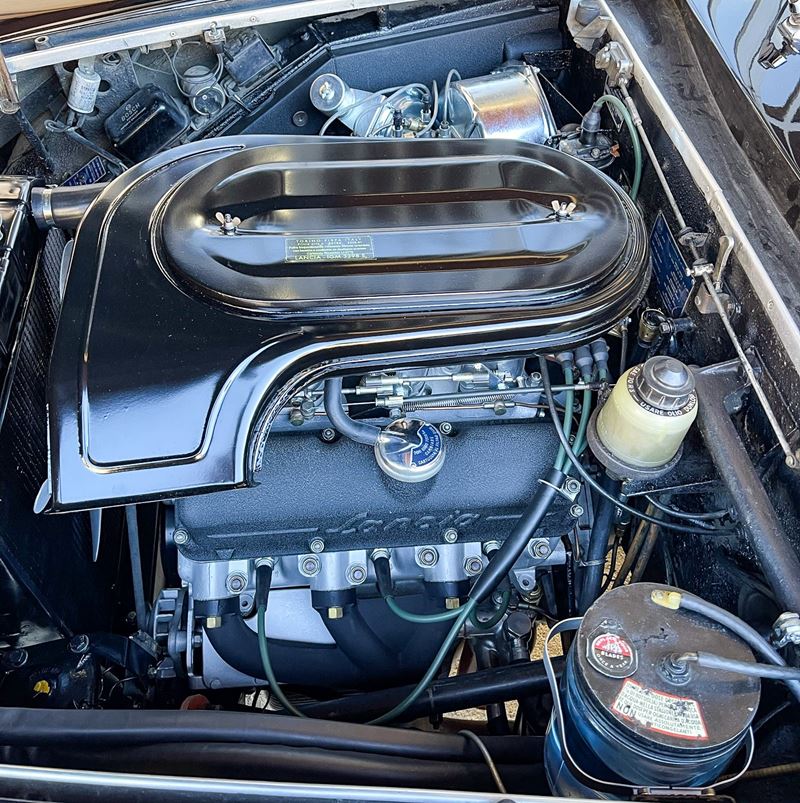
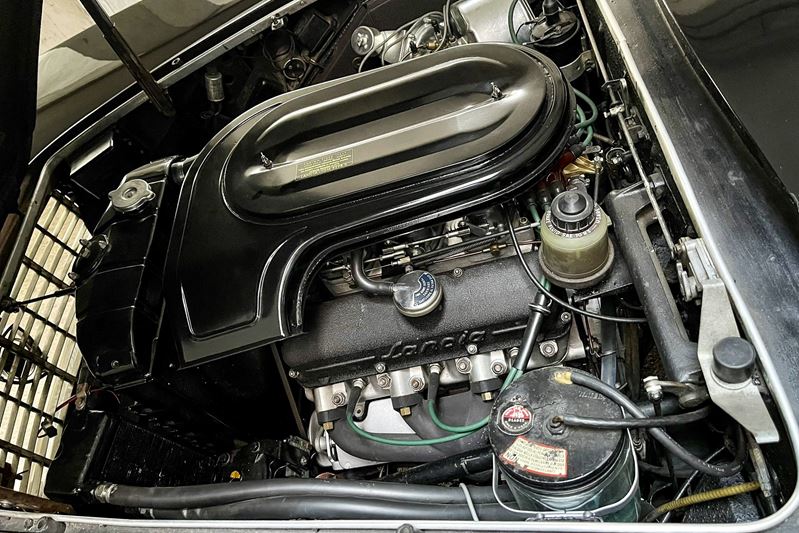
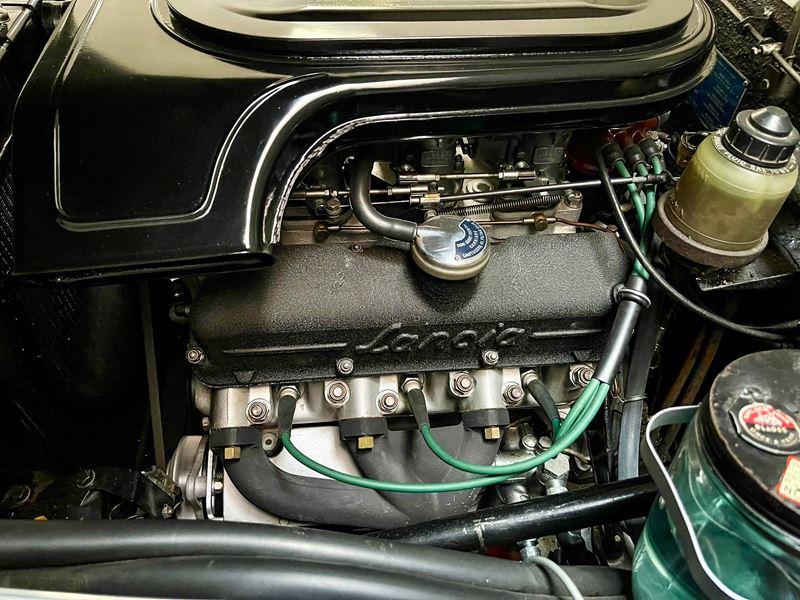
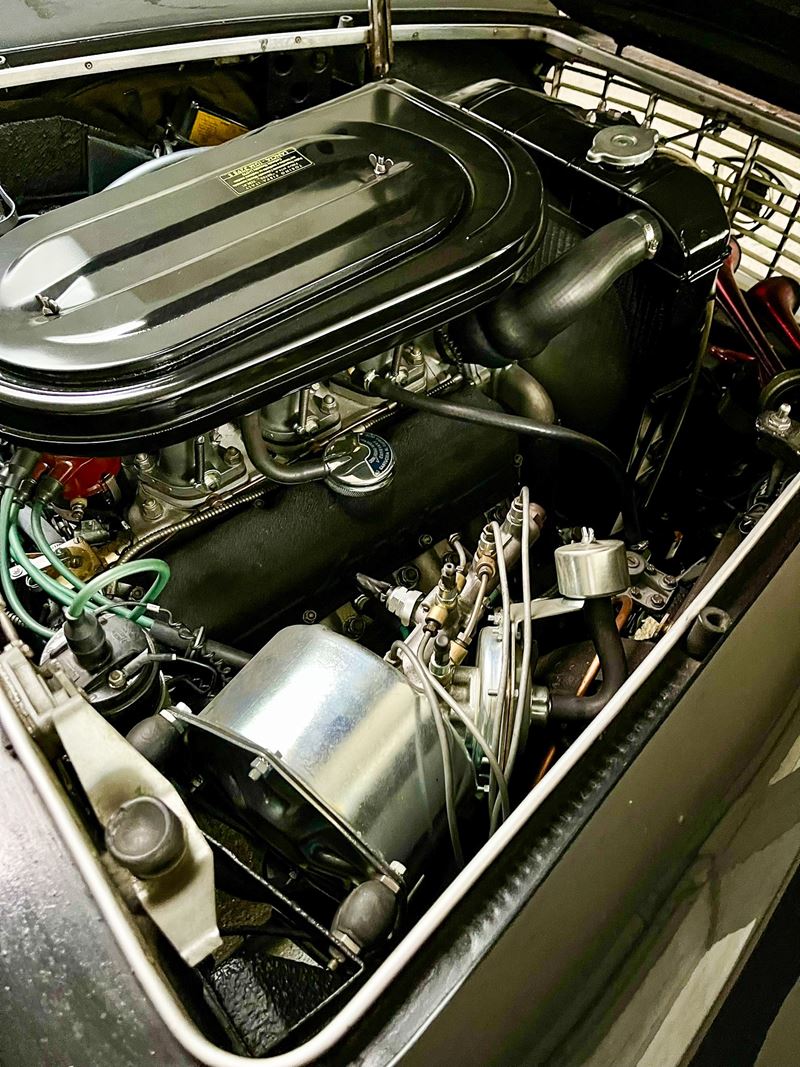
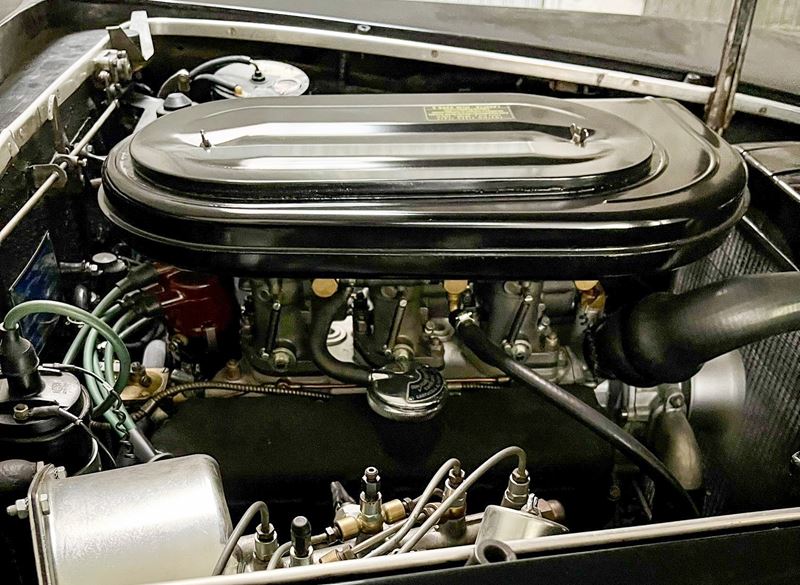
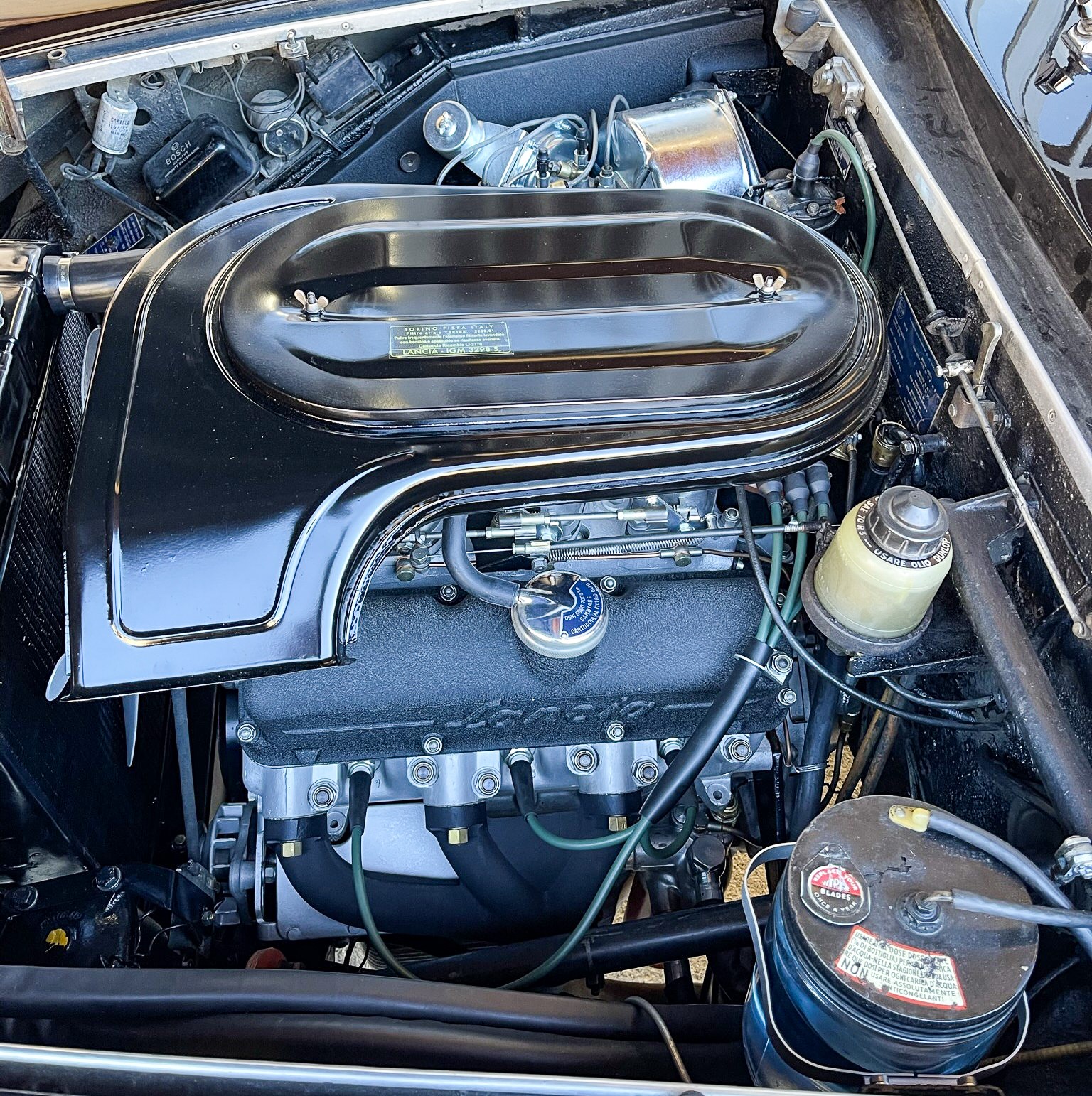
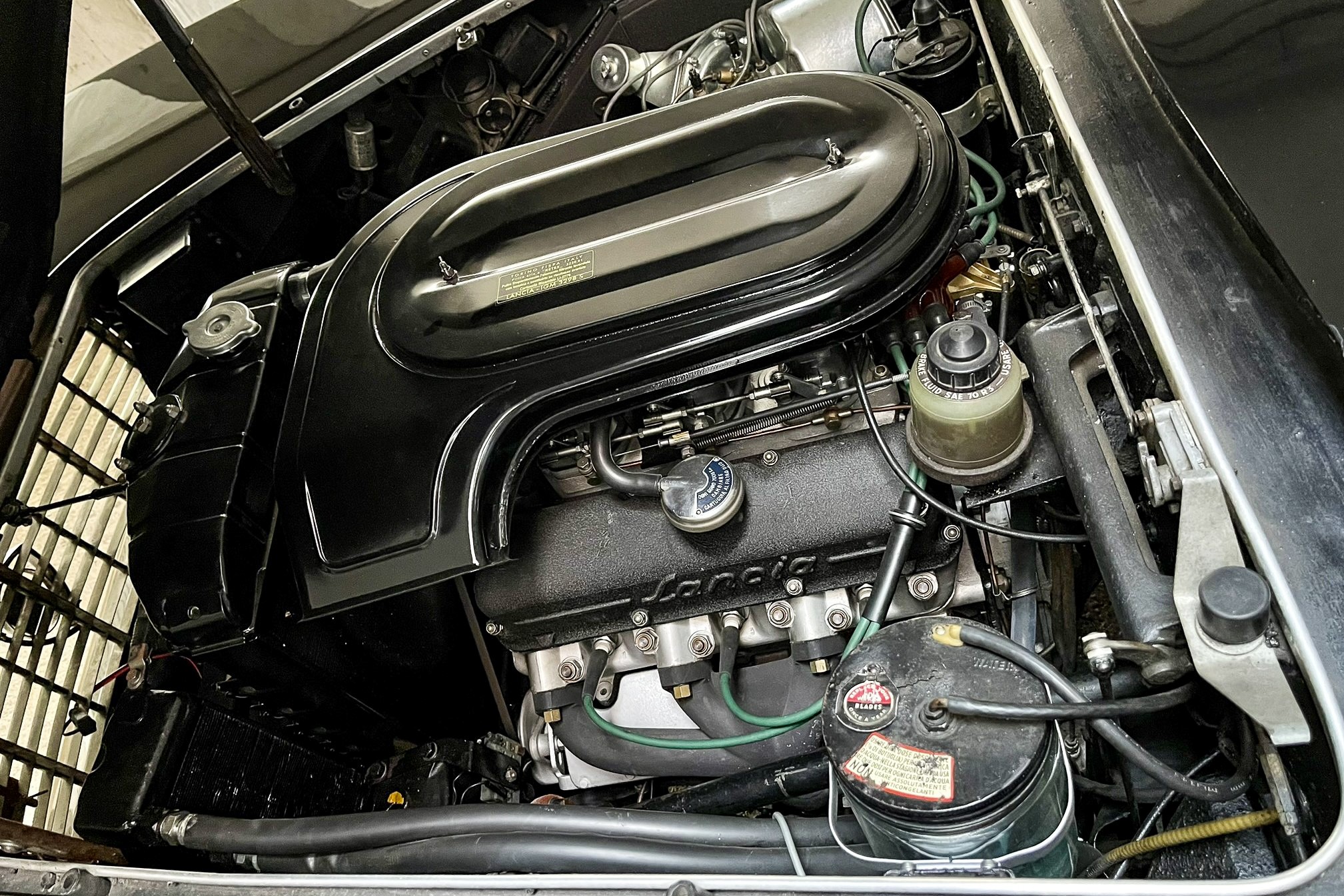
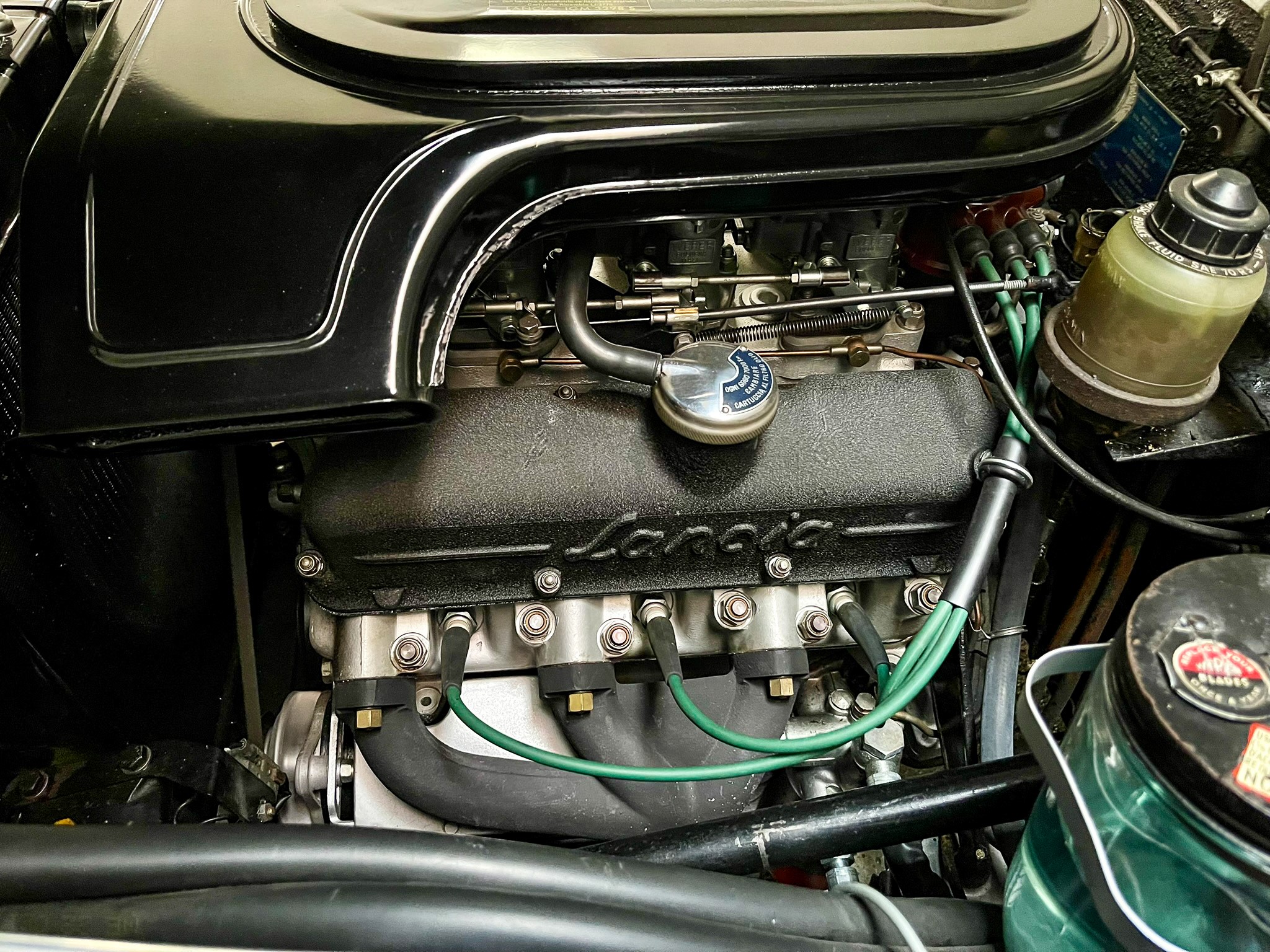
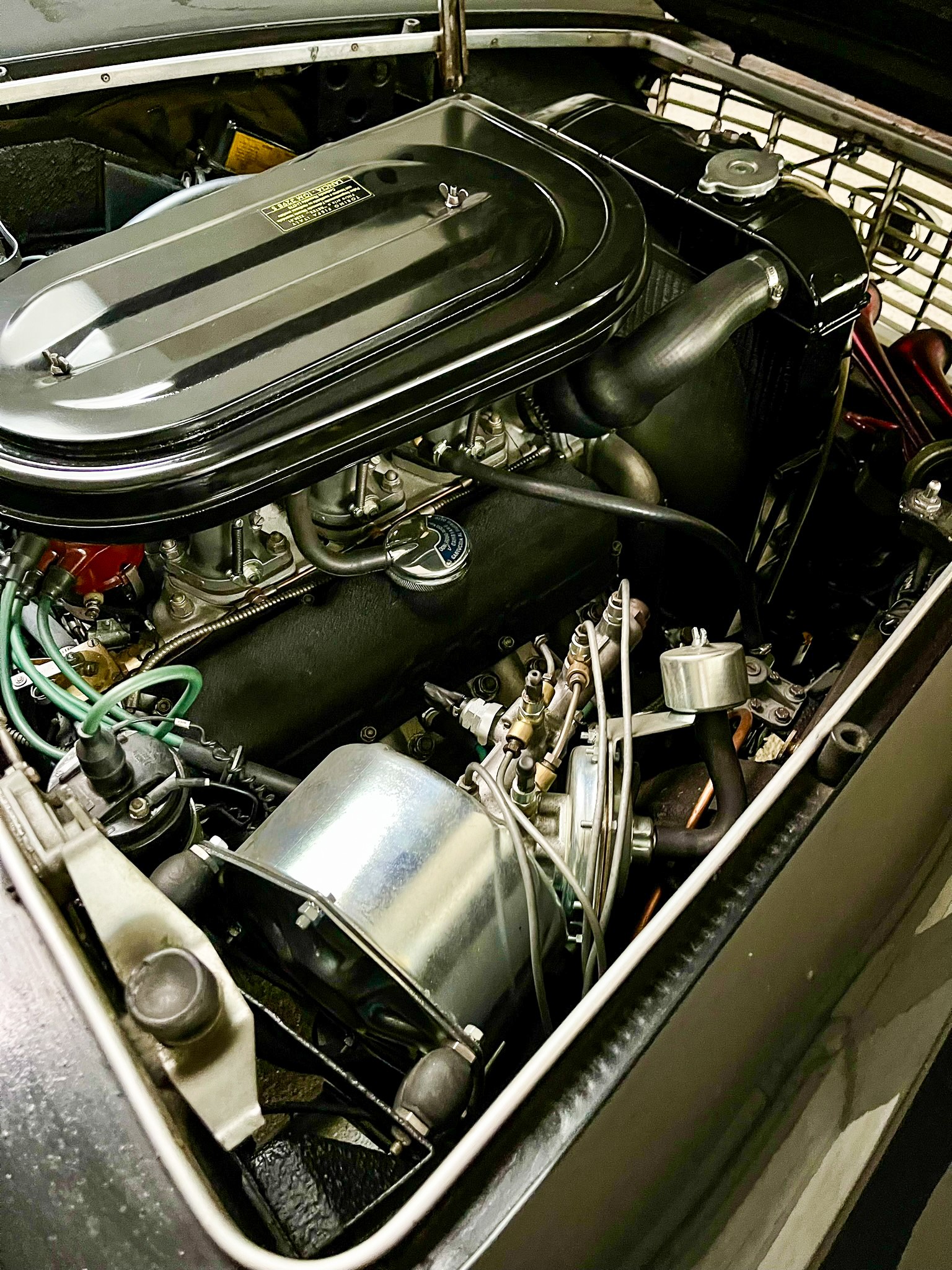
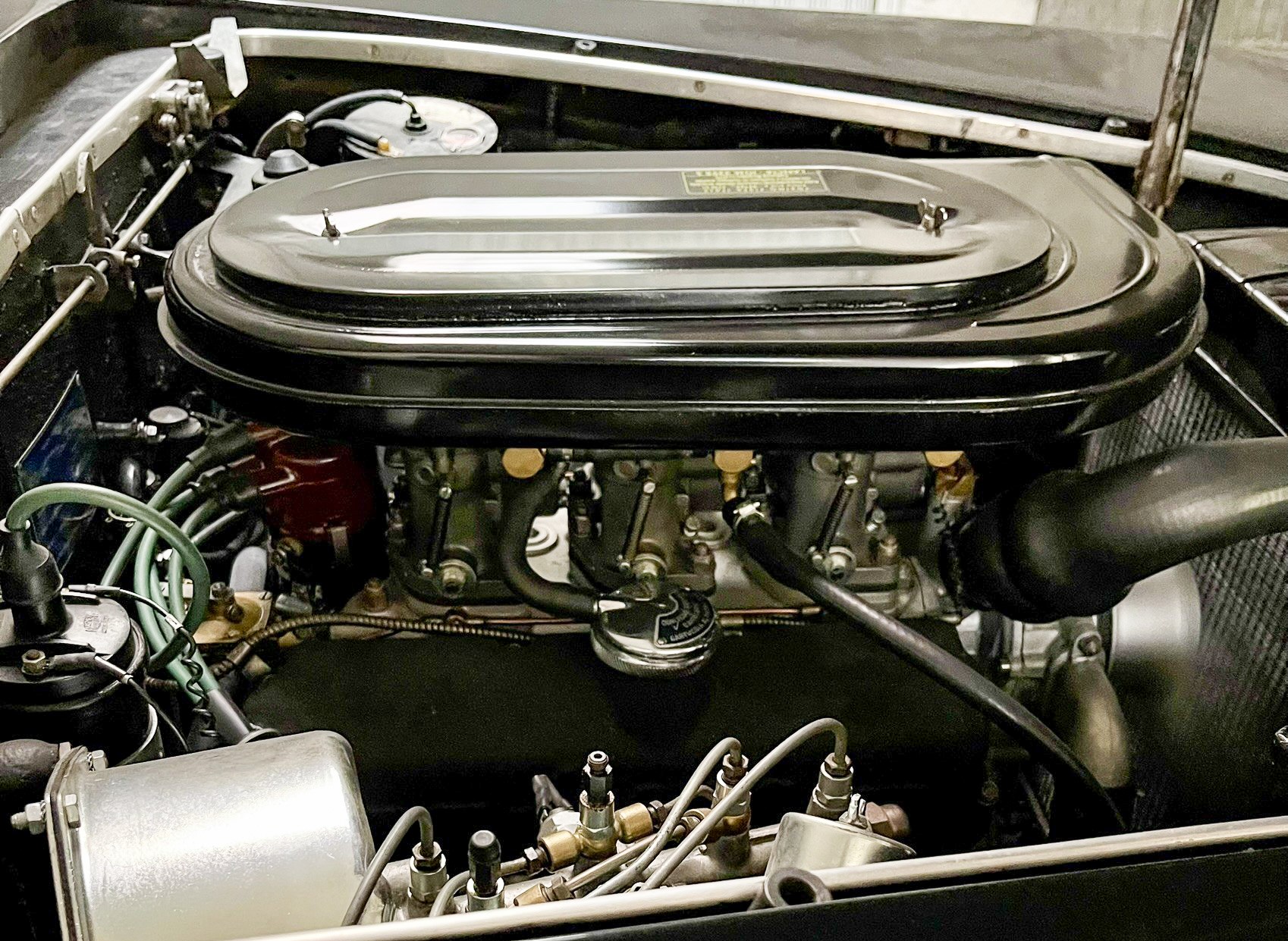
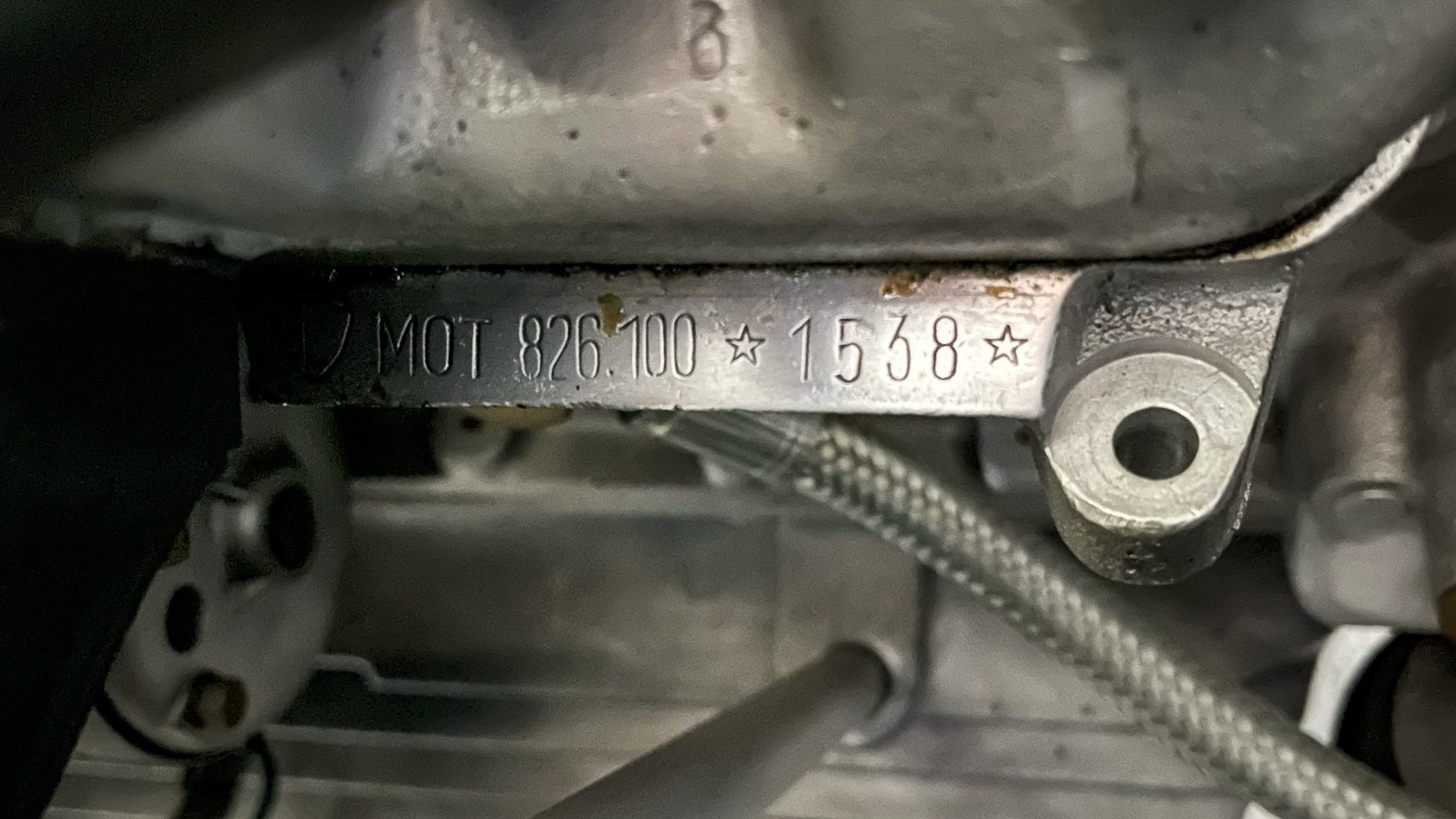
From a technical standpoint, the 3C designation refers to the three twin-choke Weber carburetors, which allowed the 2.8-liter V6 engine to reach 150 hp. The mechanicals featured refined solutions such as the De Dion axle and the transaxle system, with the gearbox mounted at the rear to optimize weight distribution.
Today the GTL 3C is considered a model of considerable collector rarity: approximately 300 units were produced in total.
LOT DESCRIPTION
The car's first owner, a law graduate from Bari with a thesis in criminal law under Aldo Moro, worked intensely as a criminal lawyer for decades. Among his most notable cases were the investigation into the alleged coup by General Giovanni De Lorenzo and the trial for the Piazza Fontana massacre.
The car's first owner, a law graduate from Bari with a thesis in criminal law under Aldo Moro, worked intensely as a criminal lawyer for decades. Among his most notable cases were the investigation into the alleged coup by General Giovanni De Lorenzo and the trial for the Piazza Fontana massacre.
He also represented the civil party in important proceedings, including the Brescia massacre. A city councilor in Rome, he was later elected to parliament in the 7th and 8th legislatures for the Radical Party, and subsequently to the Senate in the 9th legislature as an independent candidate on the Italian Socialist Party's ticket. In Parliament, he served on the Commission of Inquiry into the P2 lodge and spoke out several times on key issues such as justice, the prison system, world hunger, and the protection of constitutional principles.
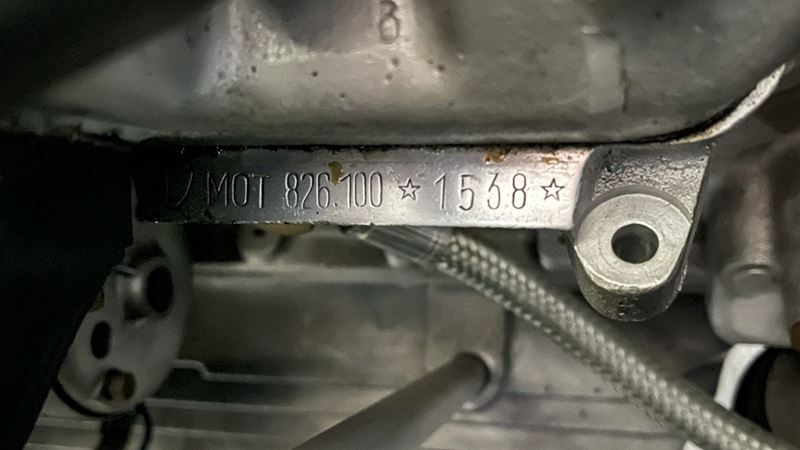
The car still retains the original Ministry of Justice window sticker, affixed during his tenure. The first owner kept it for 12 years. The current, fourth owner, took possession of the car in September 2004 and used it only occasionally until he decided to undertake a complete mechanical restoration—engine, brakes, suspension, and ancillary components—along with a deep cleaning, interior sanitization, and replacement of all window seals. All work is documented in detail. The last service was performed in September 2025, with the engine oil, oil filter, and brake fluid replaced.
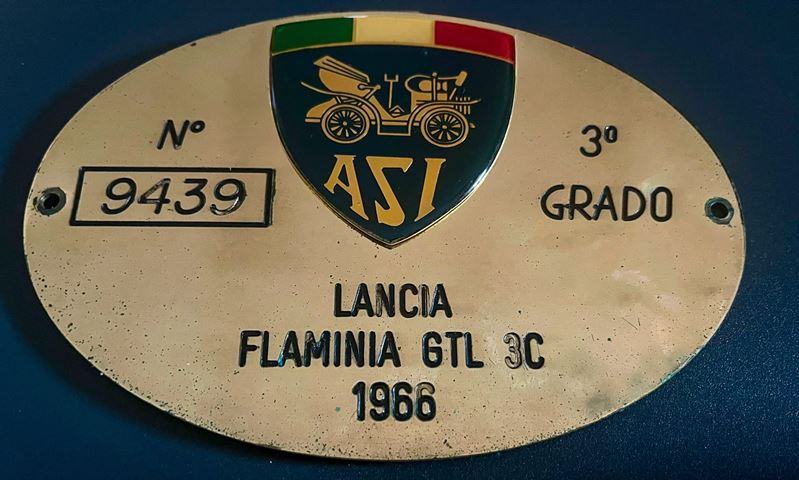
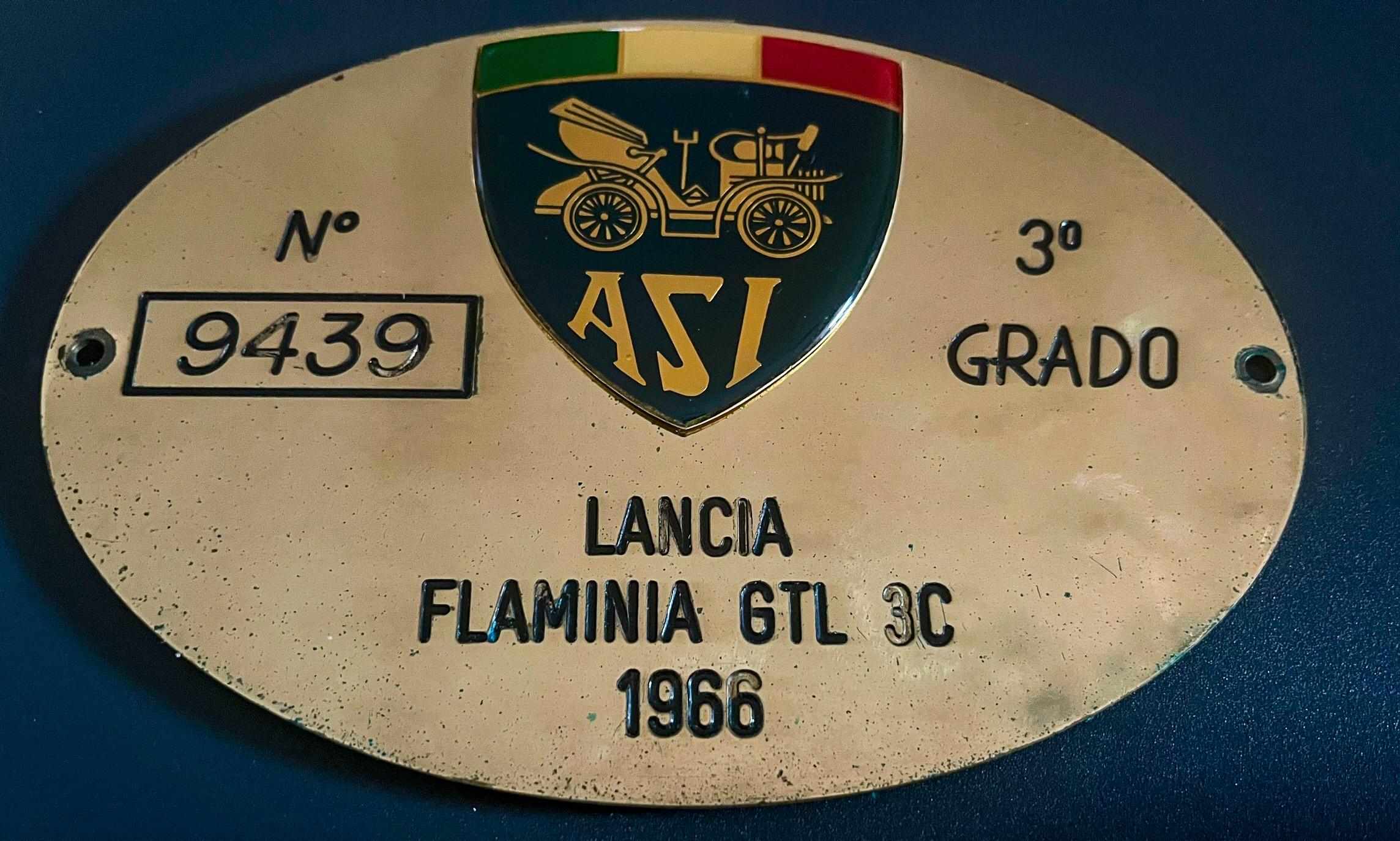
The car, which retains its original license plate, is accompanied by an ASI Gold Plate Identity Certificate.
Contact
Condition report
To request a Condition Report, please contact automotive@finarte.it
The department will provide you with a general report of the condition of the property described above. Please note that what Finarte declares with respect to the state of conservation of the objects corresponds only to a qualified opinion and that we are not professional conservators or restorers.
We urge you to consult with a restorer or conservator of your choice who will be better able to provide a detailed, professional report. We always suggest prospective buyers to inspect each lot to satisfy themselves as to condition during the exhibition days as indicated in the catalog.
Suggested lots
Caricamento lotti suggeriti...