Information
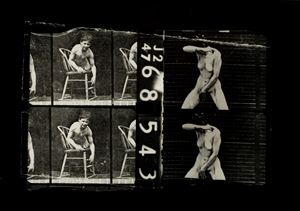
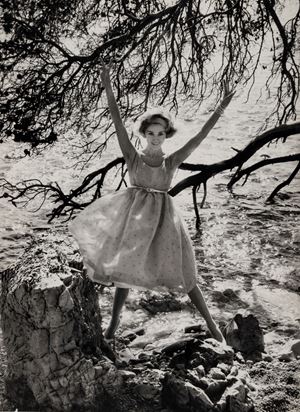
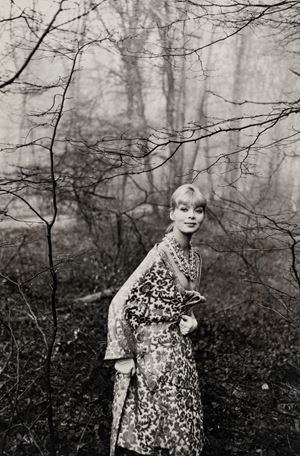
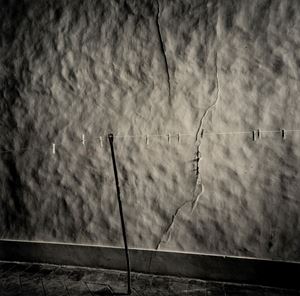
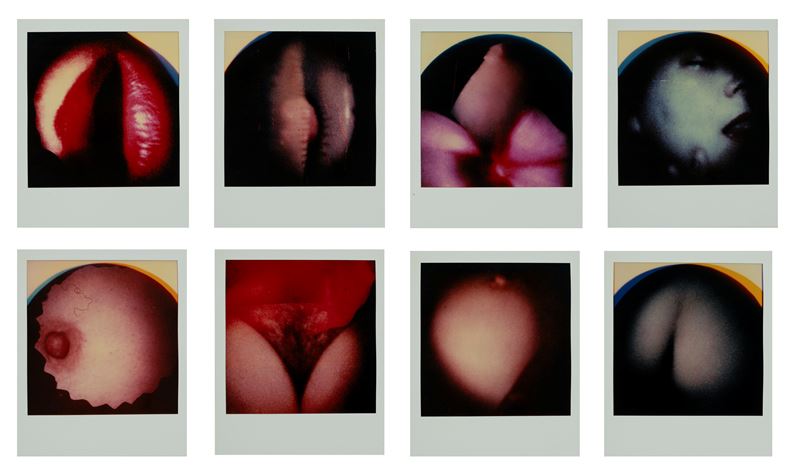
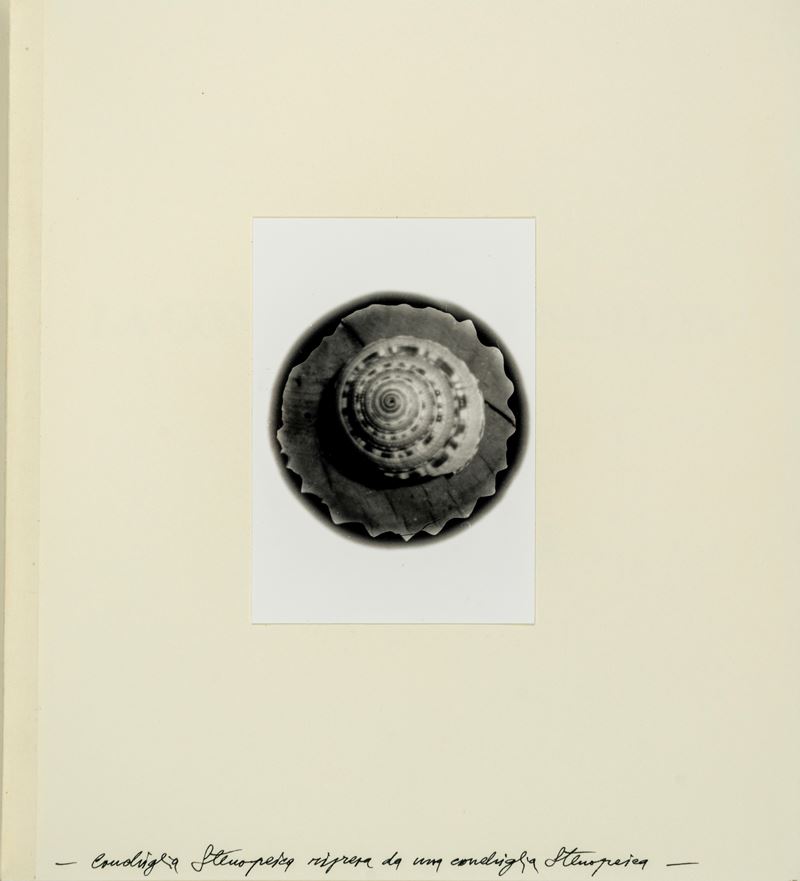
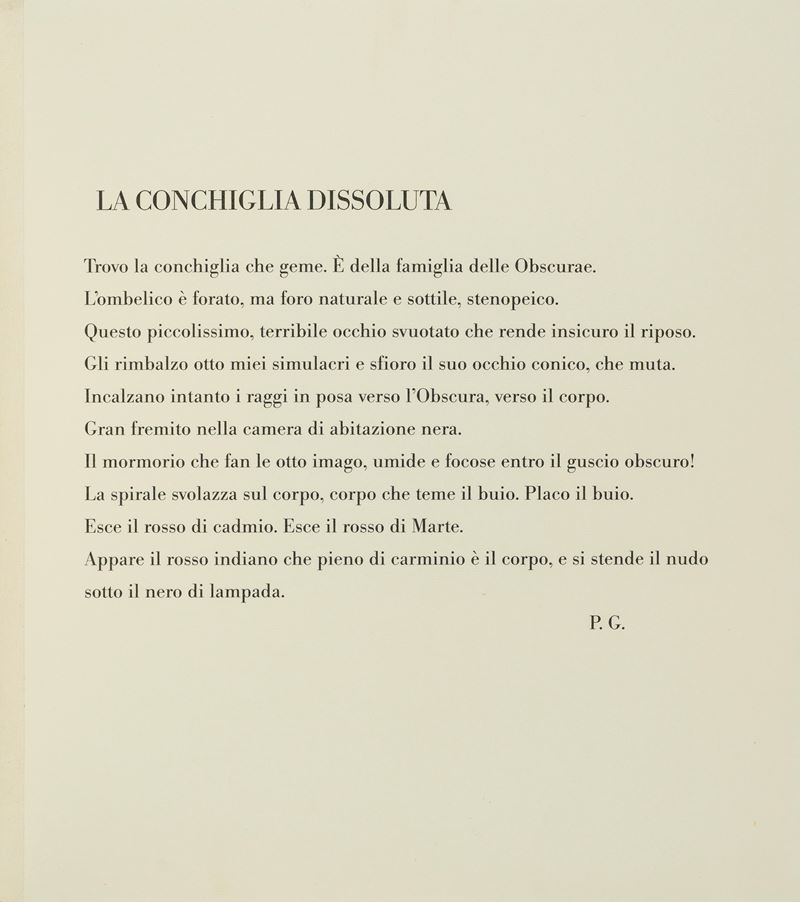
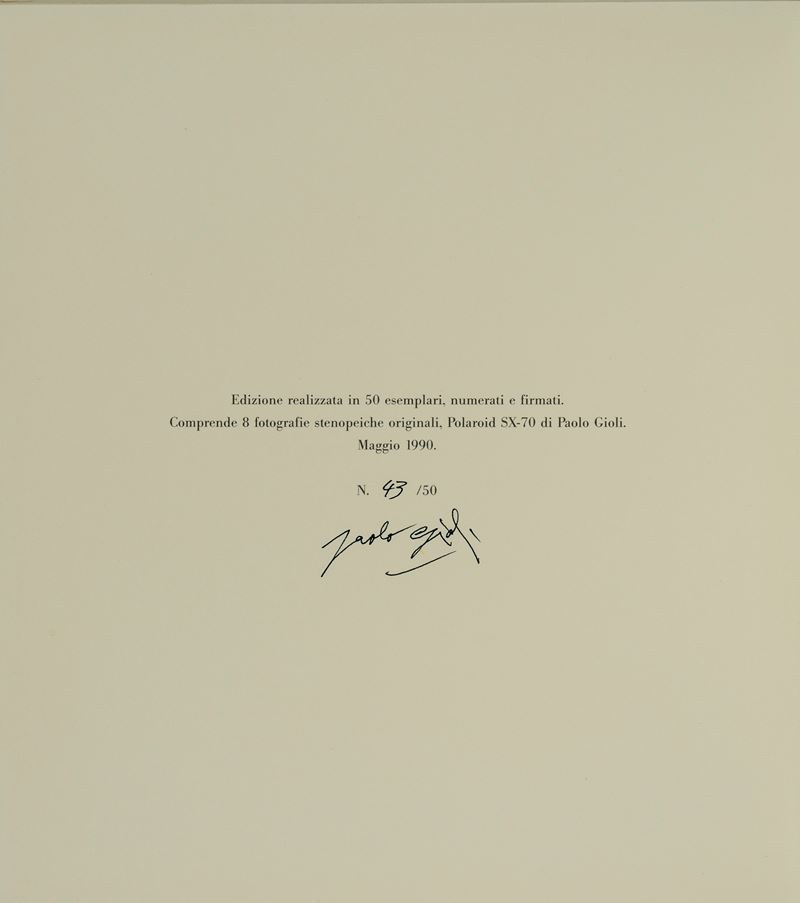
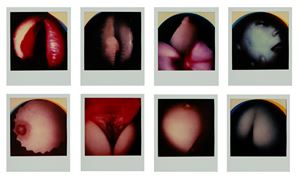
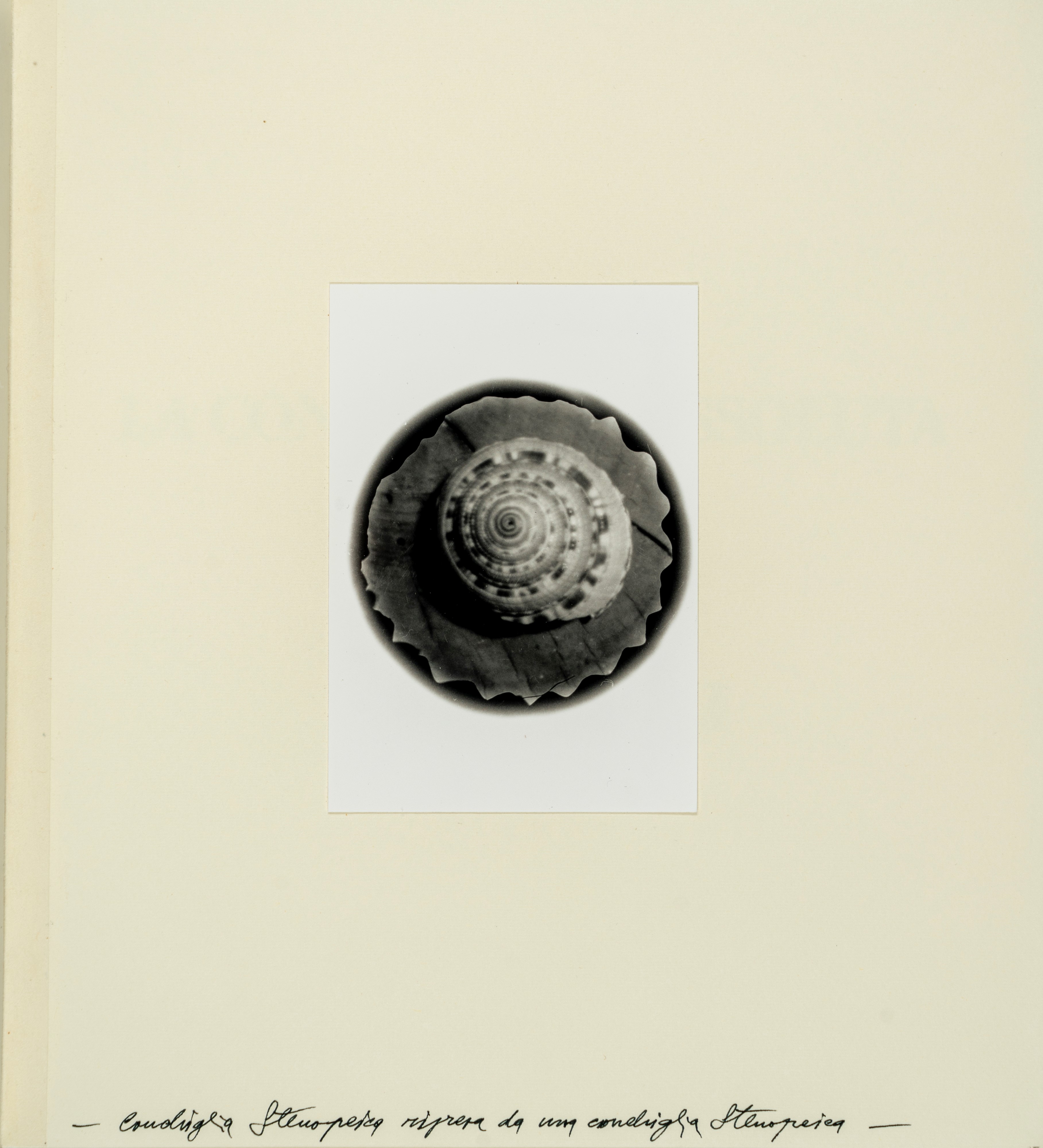
Eight polaroids applied in book pages
cm 28,5 x 25,5 x 1 (book) ; cm 10,8 x 8,8 (each polaroid) | 11.2 x 10 x 0.8 in. (book) ; 4.3 x 3.5 in. (each polaroid)
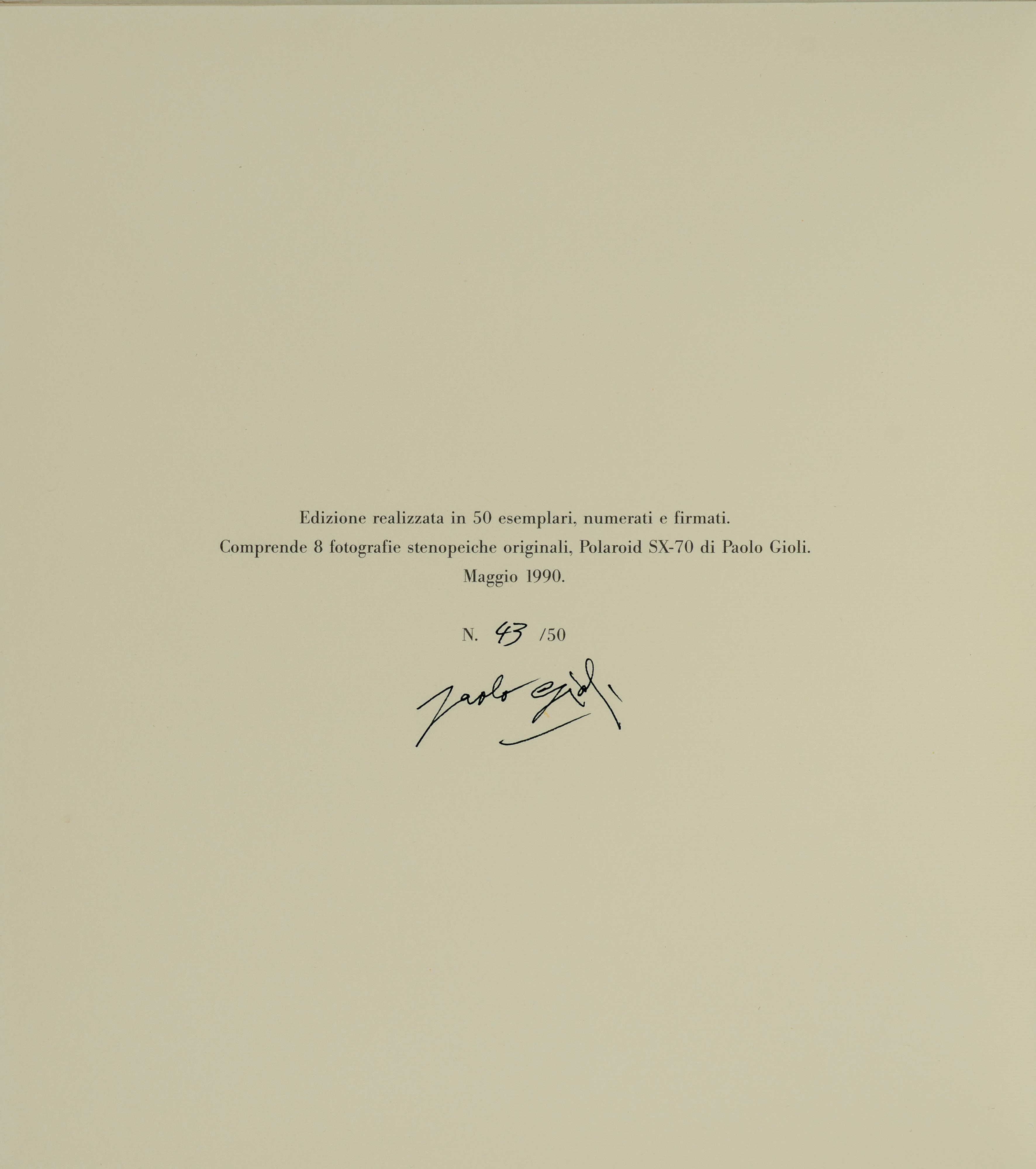
Edition 43 of 50 (polaroids uinque works)
Book numbered and signed in black ink on the last page
Paolo Gioli (Sarzano di Rovigo, Rovigo 1942 - Lendinara, Rovigo 2022) has a dazzling education between Venice at the Academy of Fine Arts and New York where in 1967-1968 he is in contact with New American Cinema, the New York School and the gallery owners Leo Castelli and Martha Jasckson. Equally important in this period is his meeting with his friend Paolo Vampa, who supports and produces his work. Back in Italy, he made the first of his many experimental films in Rome and became interested in photography, using a camera he modified for photofinishing, bringing these experiences during the period 1970-1980 to Milan. There he discovered the expressive potential of Polaroid and the magic of pinhole imaging with works exhibited in the following years in important galleries in Milan, Paris, Arles, New York, Venice, Rome, and Florence. Shy by character, he returned after 1980 to his native city Polesine: by now exhibitions, books and awards certify him as one of the most interesting exponents of research photography not only in Italy.
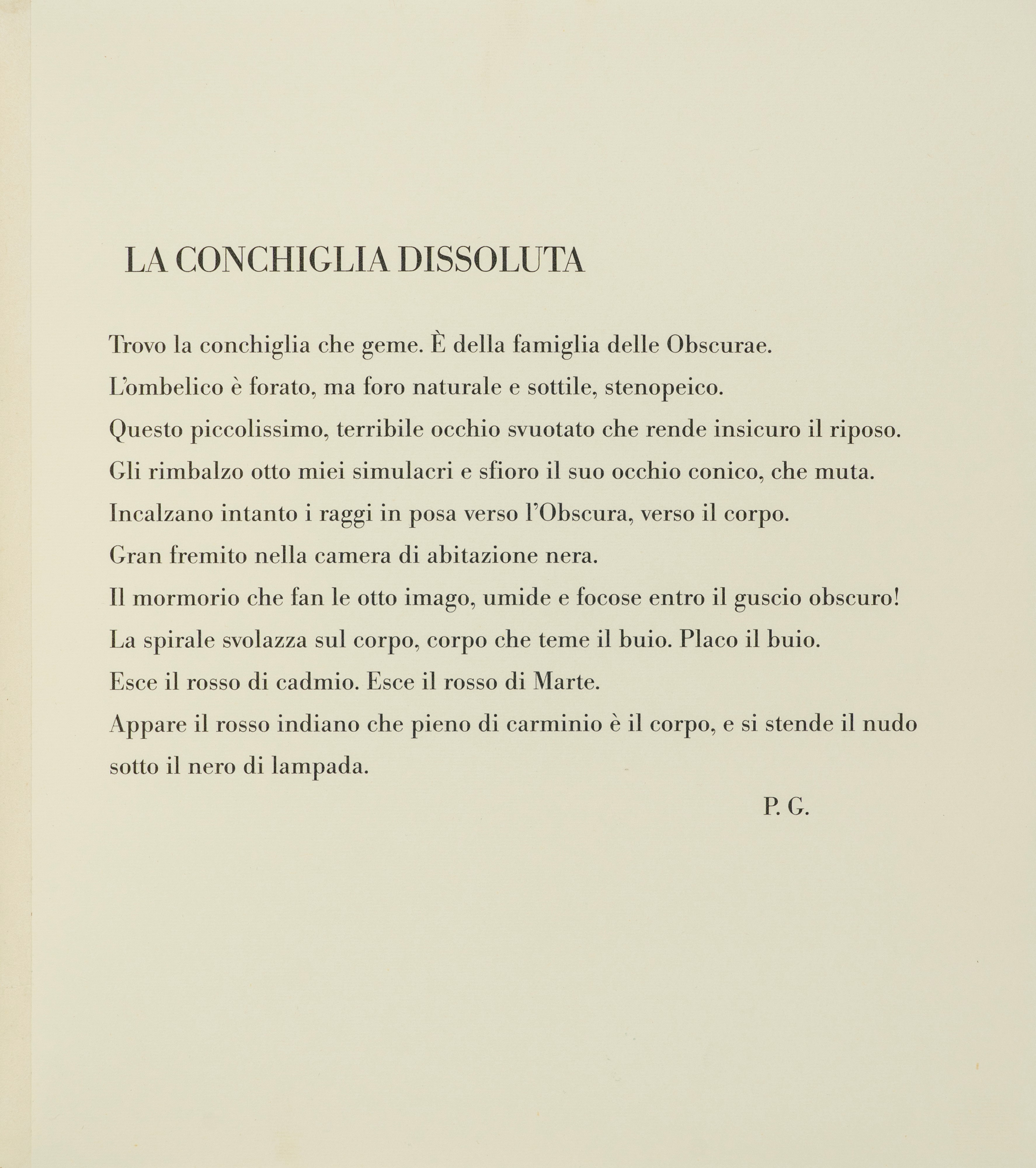
In the works that we present here, the close relationship that Paolo Gioli has had since the beginning between cinema and photography is emphasized, languages that he immersed in a particular dimension, that of research. Precisely to remember that both of them, before arriving at the reassuring representation of reality, were generated by the restlessness given by the experimentation of materials, he created painful images with which the observer is called to confront. He does so already starting from the dialectical contrast between the history of the past and the use of contemporary materials such as Polaroids: symptomatic is The Naked Assassin which refers to the film of the same name shot in 16 mm. (the author defines it as a film-book) because Eadweard Muybridge to whom it is dedicated was the one who, by sequencing the frames in pressing sequences, anticipated cinema. Gioli himself writes, recounting that he used three books to reproduce them: "I tried to animate the ink of moving images... but fixed. So, a film taken from printing ink. Incredible, how right Nièpce was. In editing the film I discovered what I could never have discovered by leafing through the three books, that is, an involuntary anticipation of film editing by Muybridge. Indeed, his camera angles appear to us as perfect television cuts of exceptional topicality: direct montages before it was cinema". Also in Polaroid is the series of The Dissolute Shell where, from the indeterminacy of the pinhole shot, fragments of bodies emerge proposed with a somewhat restrained and somewhat exhibited exuberance.
cm 28,5 x 25,5 x 1 (book) ; cm 10,8 x 8,8 (each polaroid) | 11.2 x 10 x 0.8 in. (book) ; 4.3 x 3.5 in. (each polaroid)
Edition 43 of 50 (polaroids uinque works)
Book numbered and signed in black ink on the last page
Paolo Gioli (Sarzano di Rovigo, Rovigo 1942 - Lendinara, Rovigo 2022) has a dazzling education between Venice at the Academy of Fine Arts and New York where in 1967-1968 he is in contact with New American Cinema, the New York School and the gallery owners Leo Castelli and Martha Jasckson. Equally important in this period is his meeting with his friend Paolo Vampa, who supports and produces his work. Back in Italy, he made the first of his many experimental films in Rome and became interested in photography, using a camera he modified for photofinishing, bringing these experiences during the period 1970-1980 to Milan. There he discovered the expressive potential of Polaroid and the magic of pinhole imaging with works exhibited in the following years in important galleries in Milan, Paris, Arles, New York, Venice, Rome, and Florence. Shy by character, he returned after 1980 to his native city Polesine: by now exhibitions, books and awards certify him as one of the most interesting exponents of research photography not only in Italy.
In the works that we present here, the close relationship that Paolo Gioli has had since the beginning between cinema and photography is emphasized, languages that he immersed in a particular dimension, that of research. Precisely to remember that both of them, before arriving at the reassuring representation of reality, were generated by the restlessness given by the experimentation of materials, he created painful images with which the observer is called to confront. He does so already starting from the dialectical contrast between the history of the past and the use of contemporary materials such as Polaroids: symptomatic is The Naked Assassin which refers to the film of the same name shot in 16 mm. (the author defines it as a film-book) because Eadweard Muybridge to whom it is dedicated was the one who, by sequencing the frames in pressing sequences, anticipated cinema. Gioli himself writes, recounting that he used three books to reproduce them: "I tried to animate the ink of moving images... but fixed. So, a film taken from printing ink. Incredible, how right Nièpce was. In editing the film I discovered what I could never have discovered by leafing through the three books, that is, an involuntary anticipation of film editing by Muybridge. Indeed, his camera angles appear to us as perfect television cuts of exceptional topicality: direct montages before it was cinema". Also in Polaroid is the series of The Dissolute Shell where, from the indeterminacy of the pinhole shot, fragments of bodies emerge proposed with a somewhat restrained and somewhat exhibited exuberance.
Contact
Condition report
To request a Condition Report, please contact fotografia@finarte.it
The department will provide you with a general report of the condition of the property described above. Please note that what Finarte declares with respect to the state of conservation of the objects corresponds only to a qualified opinion and that we are not professional conservators or restorers.
We urge you to consult with a restorer or conservator of your choice who will be better able to provide a detailed, professional report. We always suggest prospective buyers to inspect each lot to satisfy themselves as to condition during the exhibition days as indicated in the catalog.
Suggested lots
Caricamento lotti suggeriti...