Estimate
€ 800 - 1.200
Sold
€ 903
The price includes buyer's premium
Do you have a similar item you would like to sell?
Information
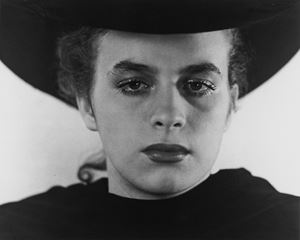
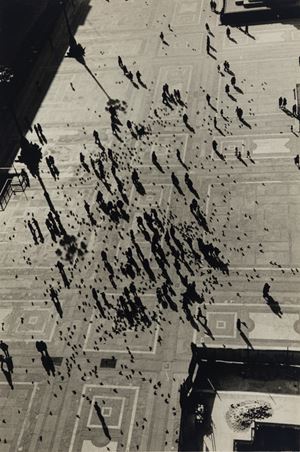
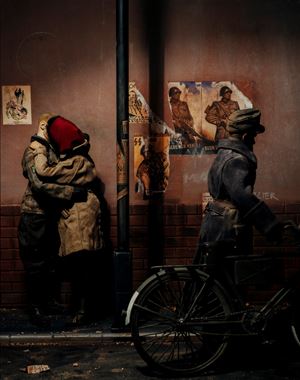
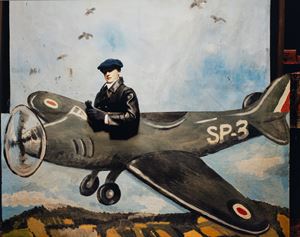
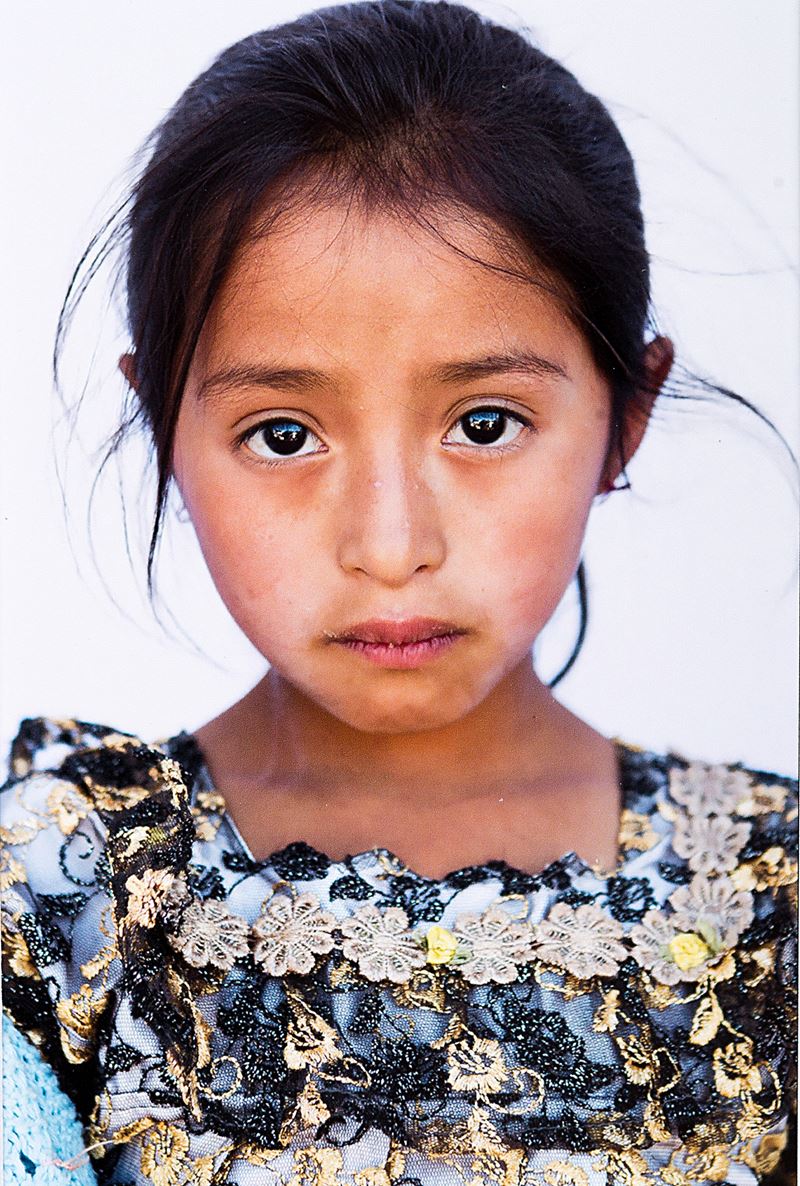
Vintage C-print
cm 14,6 x 11,4 | 5.7 x 4.5 in.
Signed in black ink on the verso
Framed
Only the naive could believe that advertising was born to inform potential customers, yet every campaign signed by Oliviero Toscani was hit with criticism by those who accused it of the crime of communication. It’s like when people questioned Benetton's sponsorship of Formula 1: what do sweaters have to do with race cars? Meanwhile, other cars were dressed up like cigarette packs. Toscani was in his element in such controversy, because, having studied in Zurich with one of the foremost experts on Duchamp’s work, he knew how to communicate not so much the product, but its aura. On giant billboards, he threw uncomfortable issues in the public’s face and destroyed conventions. Sure, a handcuffed black man is, sadly, nothing new, but what if he’s cuffed to a white man? What does one think about? And while everyone was busy debating the message, few paused to notice the compositional clarity of the photographs Toscani shot in his studios in Milan and Paris. With the same style and the same sense of social responsibility, he later launched the project “Razza Umana”: portraits of people from different social, geographical, anthropological, and aesthetic backgrounds, that his photographs revealed as mere variations of the same human species.
cm 14,6 x 11,4 | 5.7 x 4.5 in.
Signed in black ink on the verso
Framed
Literature
Oliviero Toscani. Lezioni di Fotografia, Il Tempo, Corriere dello Sport, Milan, 2018, p. 101
Oliviero Toscani (Cecina 1942 – Livorno 2025), son of photojournalist Fedele and brother of Marirosa who, together with her husband Aldo Ballo, would found one of the most important design studios, he studied photography at the Kunstgewerbeschule in Zurich and began his career as an advertising photographer (Algida, Facis, Jesus Jeans) and fashion photographer (“Elle,” “Vogue,” “Donna”), creating campaigns for major brands such as Chanel and Fiorucci before joining Benetton in a historic collaboration that lasted from 1982 to 2000. With Benetton, in addition to producing major advertising campaigns, he launched the magazine “Colors” and the creative center “Fabrica”. He continued his work with projects that were at times provocative but always characterized by a strong social commitment, which he also brought into the political sphere by working for and with the Radical Party. Only the naive could believe that advertising was born to inform potential customers, yet every campaign signed by Oliviero Toscani was hit with criticism by those who accused it of the crime of communication. It’s like when people questioned Benetton's sponsorship of Formula 1: what do sweaters have to do with race cars? Meanwhile, other cars were dressed up like cigarette packs. Toscani was in his element in such controversy, because, having studied in Zurich with one of the foremost experts on Duchamp’s work, he knew how to communicate not so much the product, but its aura. On giant billboards, he threw uncomfortable issues in the public’s face and destroyed conventions. Sure, a handcuffed black man is, sadly, nothing new, but what if he’s cuffed to a white man? What does one think about? And while everyone was busy debating the message, few paused to notice the compositional clarity of the photographs Toscani shot in his studios in Milan and Paris. With the same style and the same sense of social responsibility, he later launched the project “Razza Umana”: portraits of people from different social, geographical, anthropological, and aesthetic backgrounds, that his photographs revealed as mere variations of the same human species.
Contact
Suggested lots
Caricamento lotti suggeriti...