Estimate
€ 500 - 600
Sold
€ 381
The price includes buyer's premium
Do you have a similar item you would like to sell?
Information
Vintage gelatin silver print
cm 14 x 10 (cm 14 x 6 picture) | 5.5 x 3.9 in. (5.5 x 2.4 in. picture)
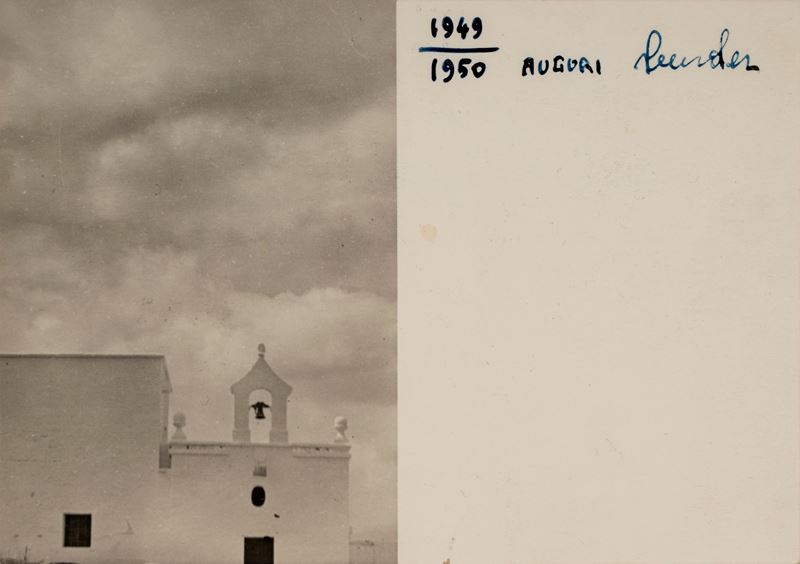
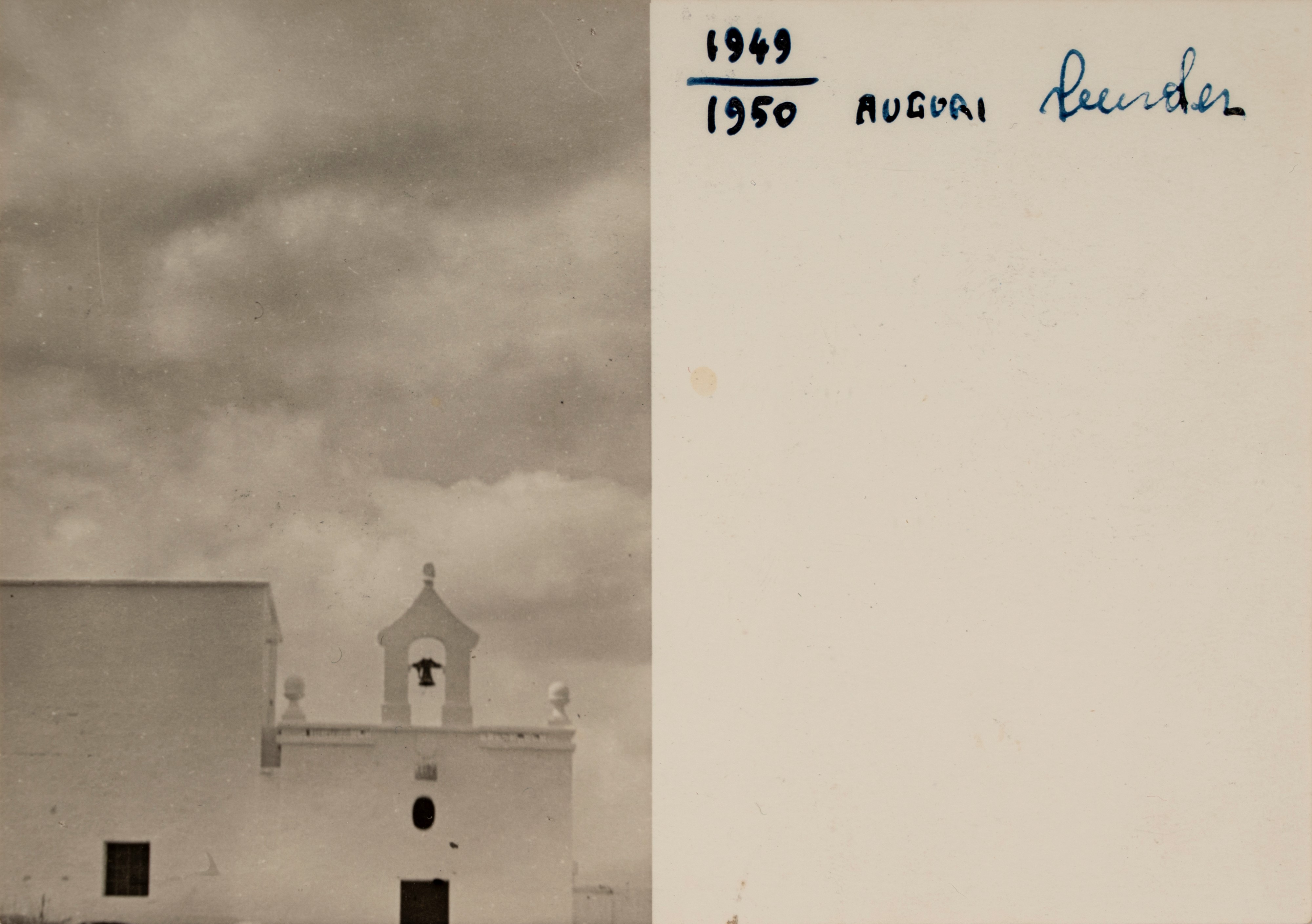
Dated and signed with AUGURI in black ink on the white recto margin with Fotografia di proprietà di Ferruccio Ferroni Senigallia in black ink on the verso
Federico Vender (Schio, Vicenza 1901 - Arco, Trento 1999) joined the Circolo Fotografico Milanese in the 1930s, of which he was director until after the war, achieving success and recognition in Paris and New York. In his travels with the Plaubel Makina 6x9 in Italy and abroad he developed his own dry, sunny style, always of the highest formal quality. In 1947 he is one of the signatories of the Manifesto of the La Bussola Group while at the same time he is influenced by the suggestions of neorealism. He worked on fashion for Ferrania to later be hired by the publishers Rizzoli and Delduca as a photo story photographer.
cm 14 x 10 (cm 14 x 6 picture) | 5.5 x 3.9 in. (5.5 x 2.4 in. picture)
Dated and signed with AUGURI in black ink on the white recto margin with Fotografia di proprietà di Ferruccio Ferroni Senigallia in black ink on the verso
Federico Vender (Schio, Vicenza 1901 - Arco, Trento 1999) joined the Circolo Fotografico Milanese in the 1930s, of which he was director until after the war, achieving success and recognition in Paris and New York. In his travels with the Plaubel Makina 6x9 in Italy and abroad he developed his own dry, sunny style, always of the highest formal quality. In 1947 he is one of the signatories of the Manifesto of the La Bussola Group while at the same time he is influenced by the suggestions of neorealism. He worked on fashion for Ferrania to later be hired by the publishers Rizzoli and Delduca as a photo story photographer.
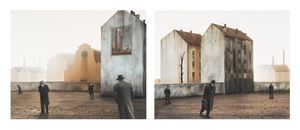
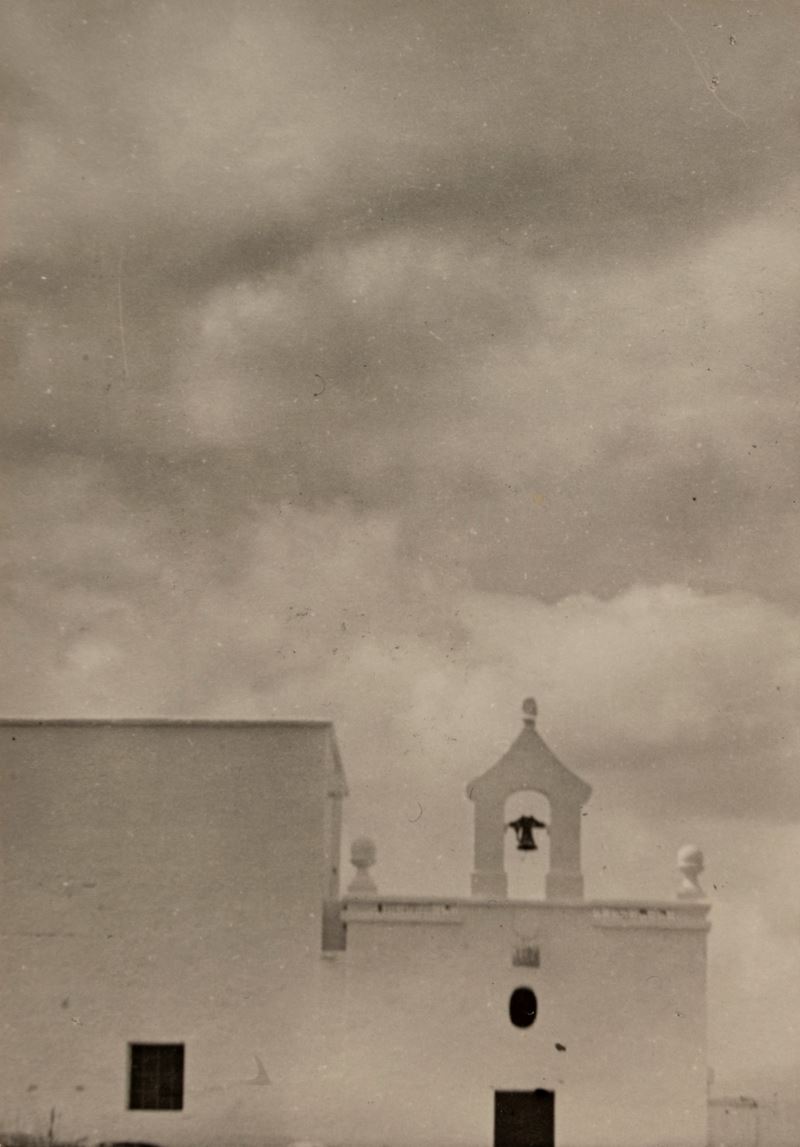
Vender's cultural reference points are numerous and range from German photography of the 20s to Pictorialism with an eye turned, albeit in a non-dogmatic way, to that idea inspired by the Crocean aesthetic of accurate high key printing, that is, dominated by light tones. These are exactly what characterize the two small prints made as New Year's greetings (in the Anglo-Saxon world the term in use is Christmas card) for the year 1951. Here the subjects are a house whose façade becomes the space that the photographer uses to harmonize the window at the top and the fence at the bottom and the profile of a church that stands out in the background, dominated by the wide space of the sky. In this second case we are faced with a real exercise in style in a print that plays on all the shades of white crossed by the delicate ripples of the clouds in the sky and the few black dots that indicate the door, two windows and the church bell.
Contact
Suggested lots
Caricamento lotti suggeriti...